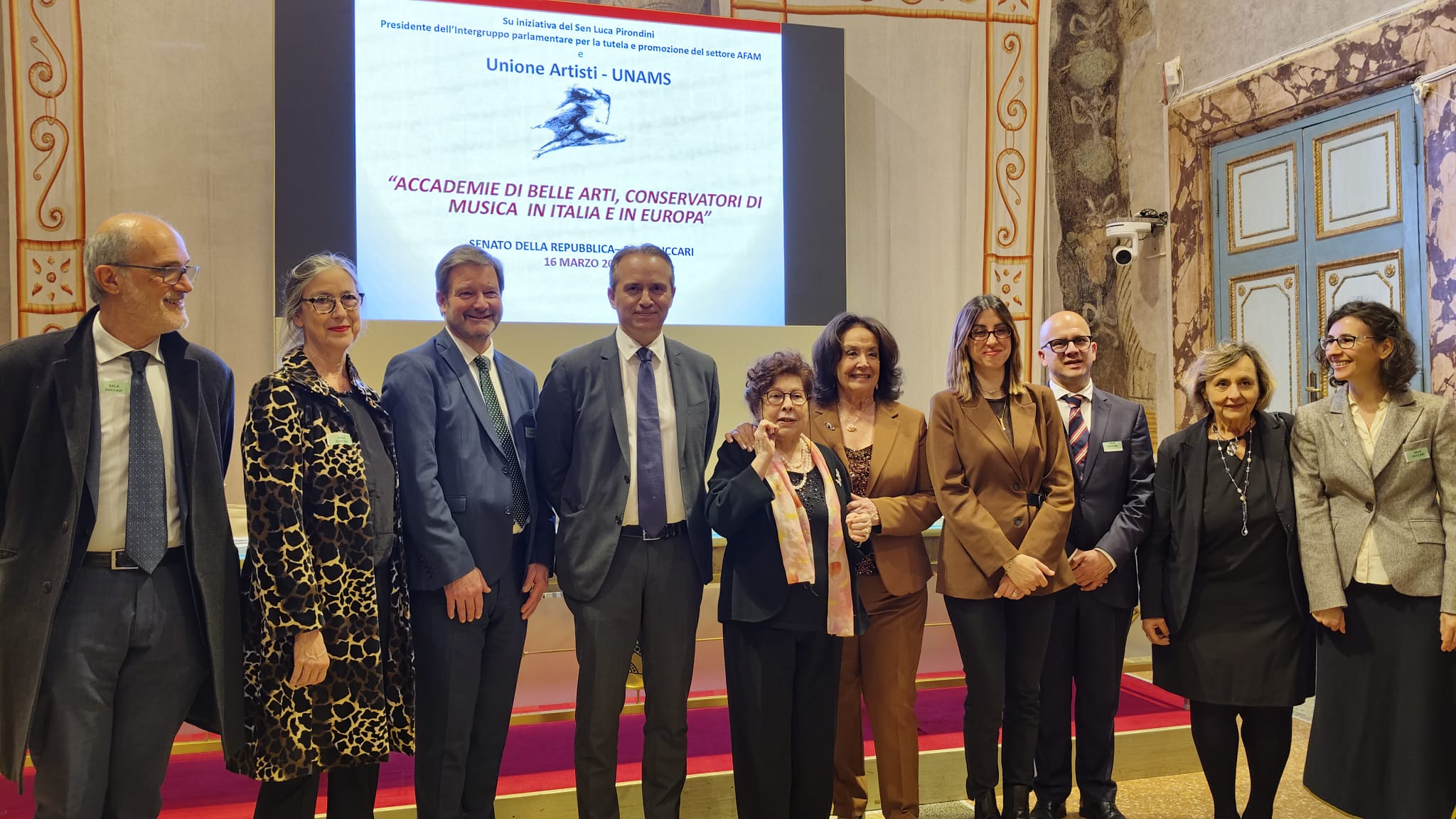
AEC at the Italian Senate
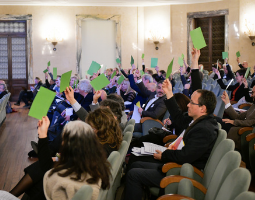
On 16 March, the Italian Senate hosted a conference addressing the future of Higher Music Education in Italy and its place within the European Higher Education Area. Representing the European Association of Conservatoires (AEC), Executive Director Finn Schumacker conveyed the solidarity and support of the international conservatoire community.
Italy has shaped European musical life for centuries. It was here that the foundations of modern Western musical notation were developed and where the first music conservatoires were established. The conservatoire model that emerged in Italy has inspired generations of musicians and institutions across Europe and beyond.
Yet today, Italian Higher Music Education still faces structural barriers within the framework of the Bologna Process and the European Higher Education Area. While legislation recognises the equivalence of Italian conservatoire qualifications with the three-cycle degree structure used across Europe, the terminology of “First- and Second-Level Academic Diplomas” can create confusion when degrees are assessed internationally.
Disparities also remain in the academic recognition and employment conditions of conservatoire professors compared with their counterparts abroad, who are typically recognised as university professors. These differences can create barriers to mobility, recognition and equal opportunities for students and teachers.
Through its long-standing work on transparency tools and sector-specific qualifications frameworks, AEC continues to support efforts to ensure that conservatoires across Europe operate on fully comparable and internationally recognised terms.
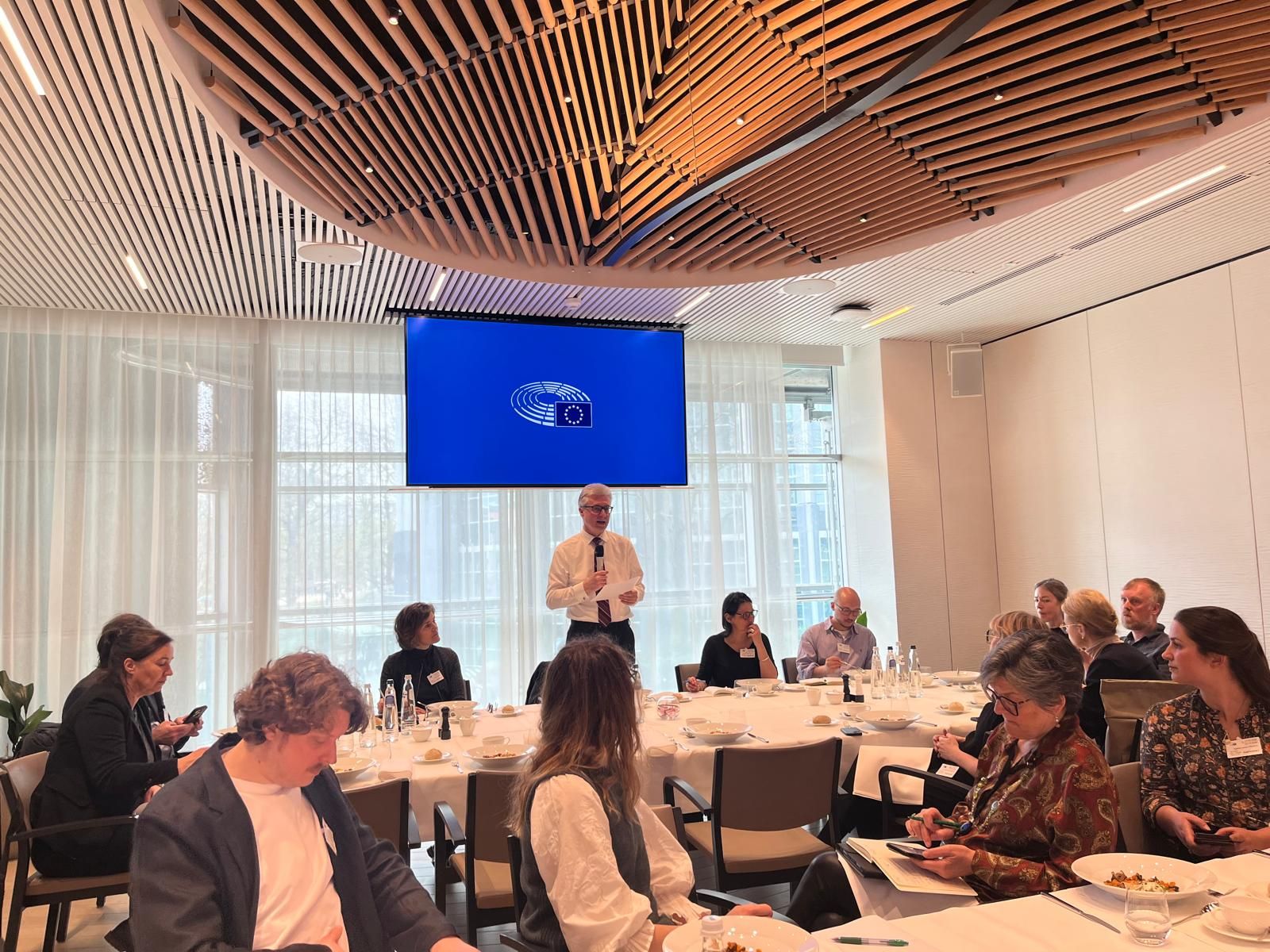
Calibrating the needle – Culture Compass discussions in the European Parliament
On 23 March, Culture Action Europe organised the policy lunch “Calibrating the Needle: Steps Forward with the Culture Compass”, hosted by MEP Nela Riehl, Chair of the Committee on Culture and Education at the European Parliament. The European Commission was represented by Georg Häusler, Director at DG EAC.
The discussion brought together several European cultural networks and focused on the four pillars of the Culture Compass: values and cultural rights; artists and people; competitiveness, resilience and cohesion; and international cultural relations.
AEC highlighted that, according to the Culture Compass, only around half of Europe’s population makes use of cultural offerings regularly. The Compass must therefore not only be a strategic tool for the cultural sector, but a compass for Europe as a whole.
Alongside improving the conditions for the cultural sector and for artists, one of the key aims of the initiative is to engage more Europeans in cultural life. For AEC, this objective is closely linked to strengthening the connection between cultural policy and education policy.
In many European countries, music and arts education has gradually been deprioritised in public schools. Reversing this trend is essential if access to music education is to be ensured for all. AEC therefore continues to work closely with partners in SCHEME (Steering Group for the Harmonisation of European Music Education) and the YMTE (Young Music Talents Europe) to raise the importance of music education and tackling challenges such as music teacher shortage within European policy discussions.
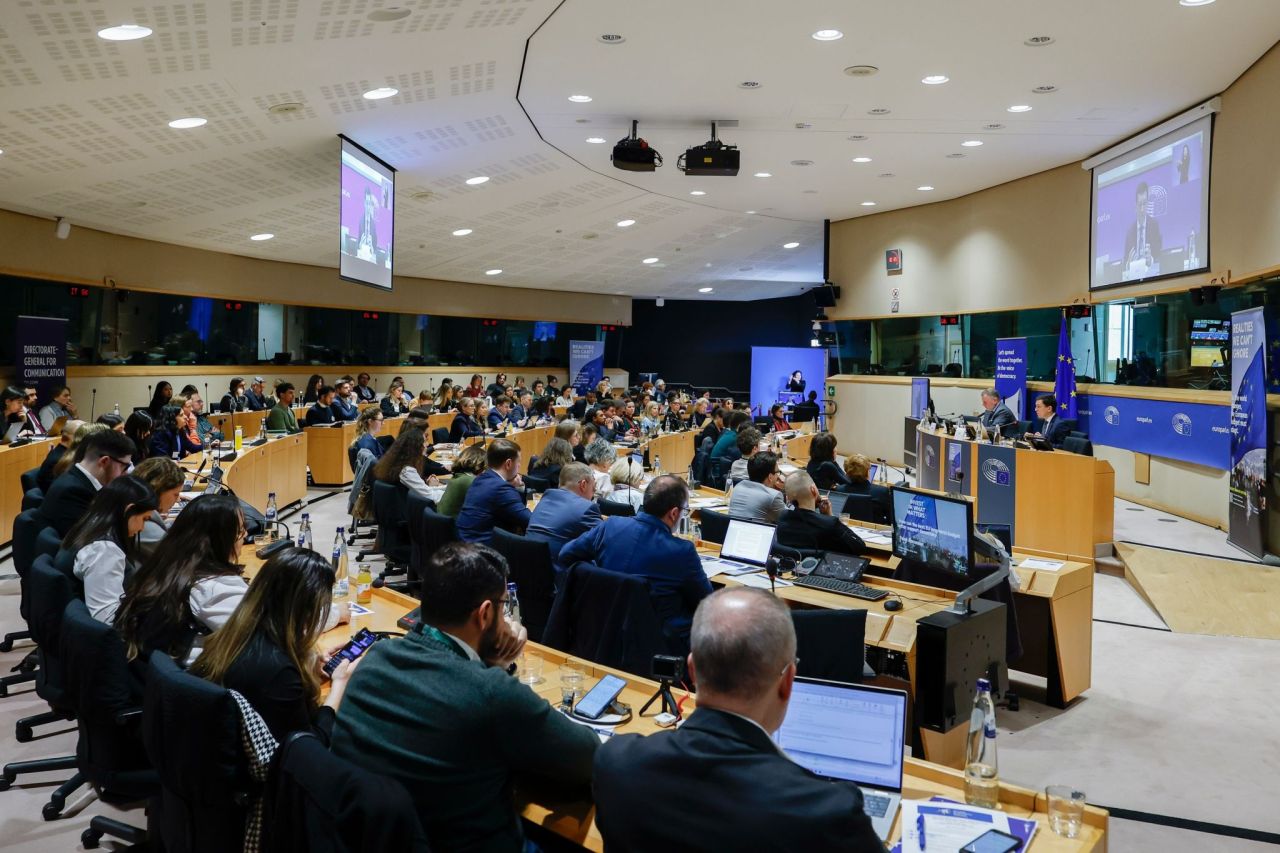
Invest in what matters – future EU investment in democracy
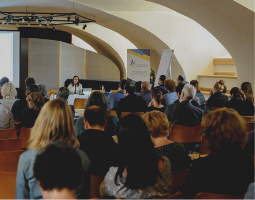
On 24 March, AEC took part in the event “Invest in What Matters – How can the next EU long-term budget better support democracy?” held at the European Parliament. The meeting brought together policymakers and civil society organisations to discuss priorities for the EU’s next long-term budget, the Multiannual Financial Framework (MFF) for 2028–2034.
A panel discussion featured Members of the European Parliament involved in shaping the future MFF, including co-rapporteurs Siegfried Mureșan and Carla Tavares, as well as Alice Kuhnke, rapporteur for the proposed AgoraEU programme (2028–2034).
Discussions focused on the European Commission’s proposal to merge 52 funding programmes into 16 to increase flexibility, while allocating a significant share of the EU budget to National and Regional Partnerships Plans, thus diminishing European influence on the spending.
For AEC, the discussions highlighted the importance of ensuring that future EU funding instruments continue to support cultural cooperation, educational and artistic collaboration across Europe.
AEC therefore emphasises that Europe’s cultural ambitions must be backed by adequate investment, calling for 2% of the EU budget to be allocated to the AgoraEU programme, together with strong Erasmus+ and Horizon Europe programmes that enable culture and education to play their full role in shaping Europe’s future.
Cultural Exchange Coalition – strengthening the cultural ties between the UK and the EU
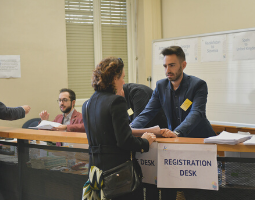
On 24 March, AEC attended the launch of the Cultural Exchange Coalition, a new initiative bringing together cultural and creative organisations from across the United Kingdom and the European Union. The coalition aims to turn the commitment made at the inaugural UK–EU Summit to support cultural exchange into concrete action, strengthening creative collaboration and removing barriers to cooperation.
For decades, students, educators, performers, and producers have collaborated across borders between the EU and the UK. These exchanges support higher music education, festivals, and venues, help emerging artists reach new audiences and generate significant economic and social value.
Since the UK’s departure from the EU, however, mobility, touring and cultural exchange have become more complex. Higher Music Education and cultural organisations now face administrative and financial barriers related to mobility rules, customs procedures and transport regulations.
Positive developments are nevertheless emerging: the Erasmus+ programme will again include the UK from 1 January 2027, reopening important opportunities for student and staff mobility. At the same time, cultural organisations are advocating for a similar agreement allowing the UK to rejoin Creative Europe, which would further strengthen cross-border cultural cooperation.
Within the AEC network, conservatoires on both sides of the Channel continue to maintain strong partnerships and collaboration, and AEC supports actively ongoing efforts to facilitate cultural exchange and artistic cooperation between the UK and the EU.