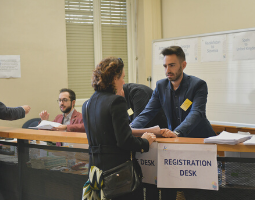
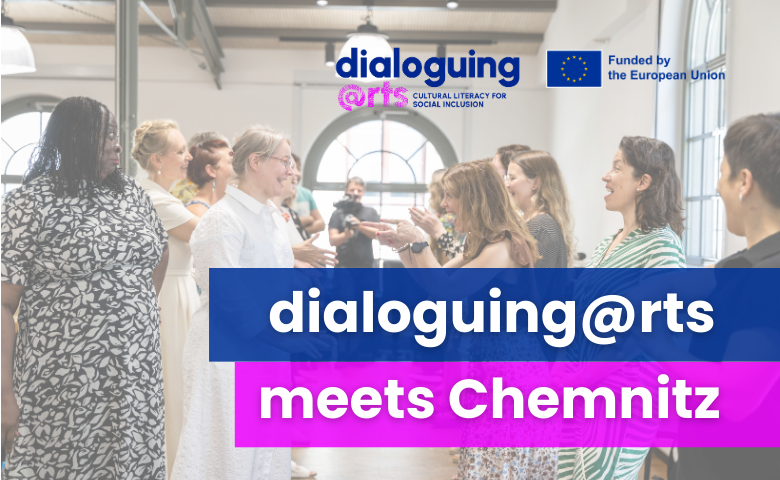
Framed by the exciting programme of European Capital of Culture 2025, Chemnitz proved to be an ideal setting to host a week of events and activities that brought together project partners, educators, researchers, students, and local artists to advance d@rts’ work and explore how the performing arts can foster inclusion, cultural literacy, and dialogue.
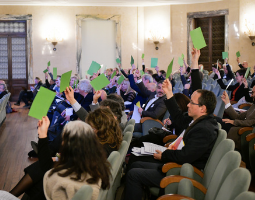
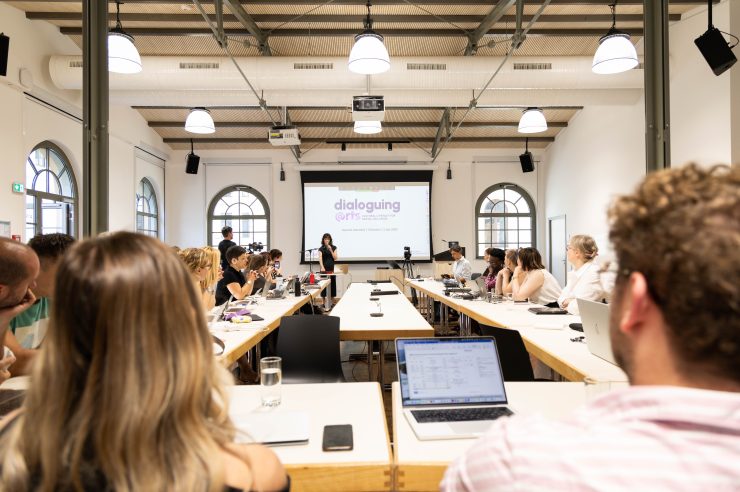
At the heart of the week was the Consortium Meeting, hosted at Technische Universität Chemnitz. This was a vital moment for all d@rts partners (representing 11 institutions across Europe, Uganda, and Aotearoa/New Zealand) to connect in person for a General Assembly and a series of dedicated work package sessions.
Together, they reviewed progress, shared learning, and planned the next phases of collaborative work across the project’s core areas, including ethnographic research, co-creation, residencies, digital platforms, and policy development.
As part of its role in the dissemination, exploitation and communication of the d@rts project, the AEC contributed to the meeting by actively engaging partners in a discussion on how to enhance the consortium’s planned dissemination activities for next year, including promotion through social media and newsletters, as well as strategies to strengthen the involvement of associated partners, citizens, and project beneficiaries.
© dialoguing@rts
Beyond the internal meetings, d@rts opened its doors to the wider Chemnitz community through two public events hosted at the Open Space Chemnitz.
Digital Playground Workshop
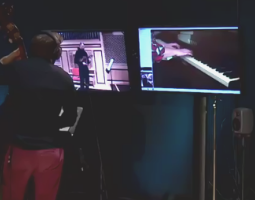
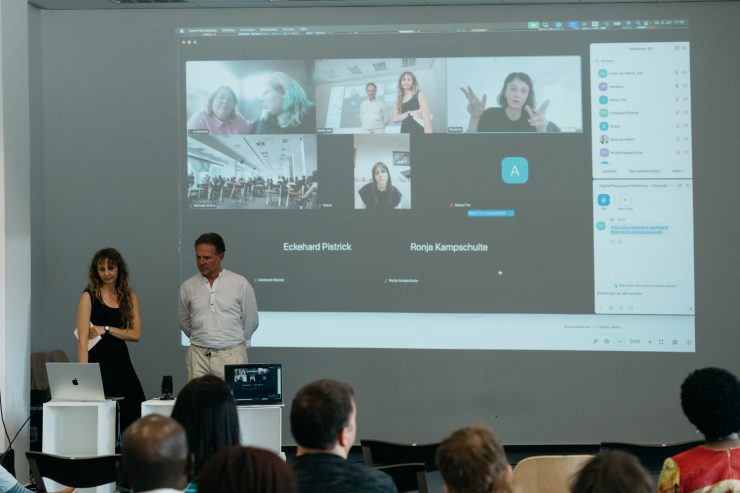
Led by Anita Jóri and Michael Ahlers (Leuphana University Lüneburg), this hands-on workshop introduced the Digital Playground — an interactive online platform designed to foster creativity, dialogue, and connection through playful and gamified elements. With contributions from artists and facilitators, participants explored how digital spaces can become sites of expression, experimentation, and exchange, especially for artists working across borders and differences.
© dialoguing@rts
Does Arts Education Make the World a Better Place?
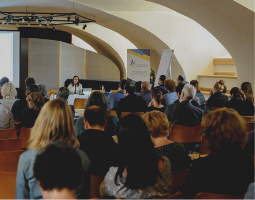
This public panel discussion explored the promises and complexities of arts education today, with a focus on participatory practices in music, dance, and theatre. Moderated by Prof. Rose Martin (Nord University, Norway), the dialogue featured Dr. Cristina Balloi (University of Verona, Italy), Dr. Runa H. Jenssen (Nord University), Prof. Sylvia Nannyonga-Tamusuza (Makerere University, Uganda), Lena Rothe and Michal Sandor (Chemnitz 2025), and Milan Vračar (Kulturanova, Serbia). Together, they asked how cultural learning can support inclusion and what it takes to move from access to genuine participation.
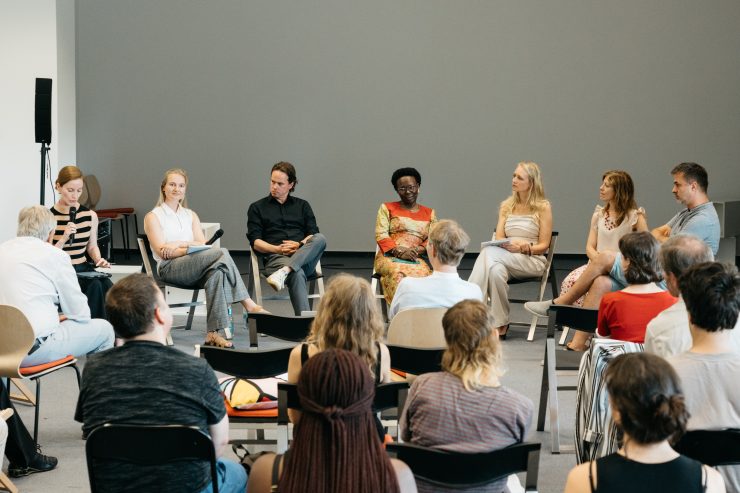
© dialoguing@rts
Throughout the week in Chemnitz, dialoguing@rts took shape not just in presentations or workshops, but in the atmosphere of shared purpose in listening, questioning, and co-creating across disciplines and cultures.
At its heart, d@rts asks: How can we reimagine cultural literacy as an ongoing dialogue — one that embraces embodied expression, amplifies unheard voices, and strengthens community resilience?
We’re deeply grateful to all consortium members, advisory board members, associated partners, and collaborators who brought their time, insight, and care to this gathering. A special thanks to our hosts: TU Chemnitz and Open Space Chemnitz for making room for connection, exchange, and imagination.
And for the next stop, we can’t wait to meet again and foster further synergies within and beyond the d@rts community in Oulu, Finland — designated as one of the European Capitals of Culture for 2026. Visit dialoguingarts.eu and follow the project on social media to stay tuned for the latest updates.