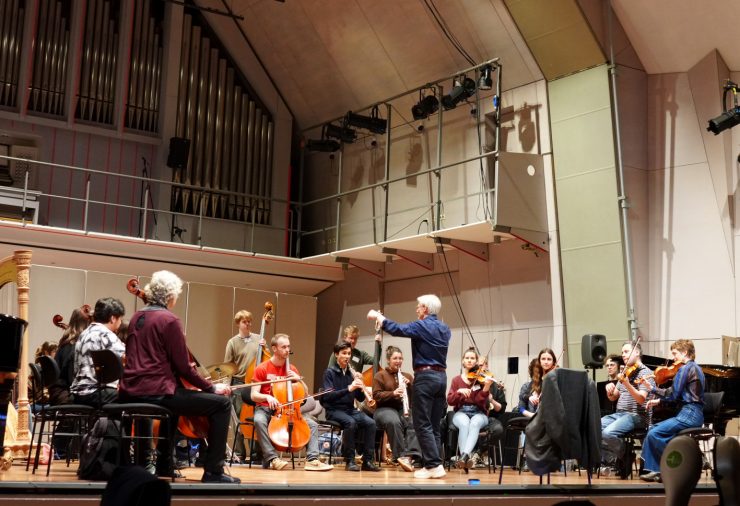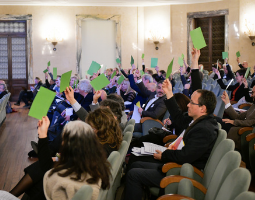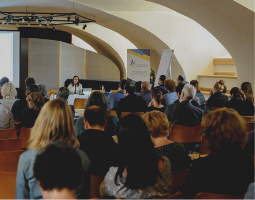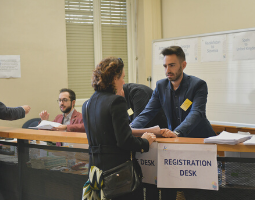
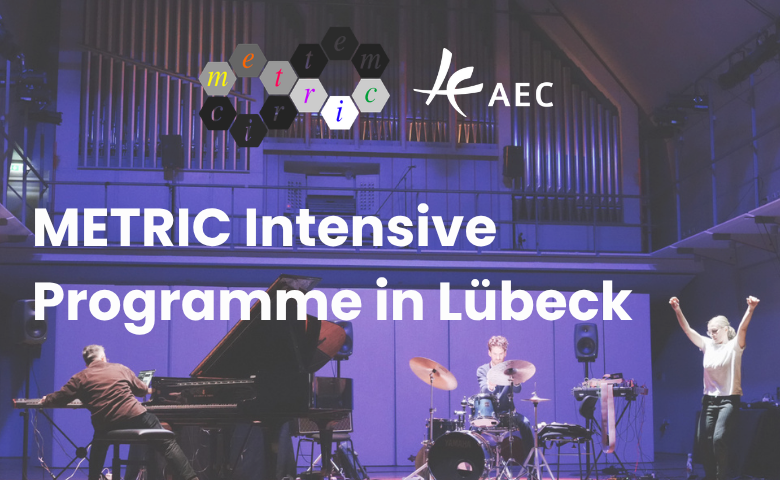
At the beginning of March, students and professors from 16 conservatoires across Europe gathered at the Musikhochschule Lübeck for the annual METRIC Intensive Programme (IP) — a week dedicated to musical exchange, experimentation, and dialogue around improvisation in higher music education.
Each year, one of the member institutions of the METRIC Network hosts this five-day programme, bringing together around 40 students and 20 teachers from partner conservatoires to explore improvisation through workshops, masterclasses, discussions, and performances. The Intensive Programme provides participants with a unique opportunity to work intensively with peers and teachers from across Europe, exchange artistic perspectives, and develop new approaches to improvisation in contemporary musical practice.
Throughout the week in Lübeck, participants took part in a rich programme of workshops, collaborative improvisation sessions, discussion groups, and evening concerts. These activities created a vibrant environment for experimentation and artistic dialogue, while performances offered moments for the community to come together and share the results of the week’s explorations.
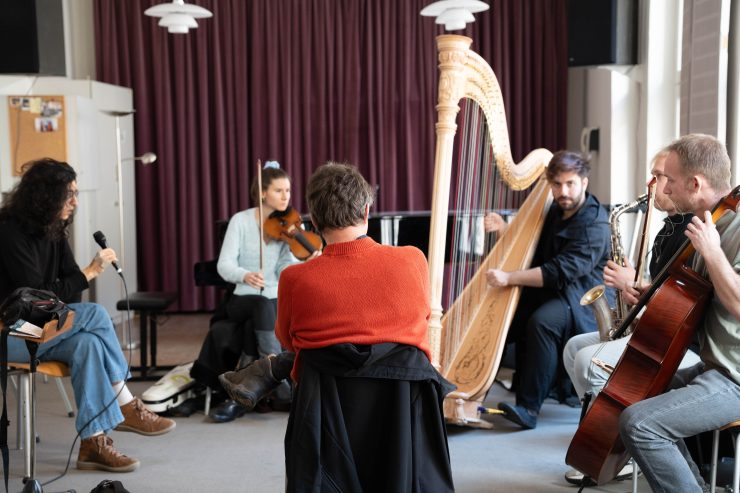
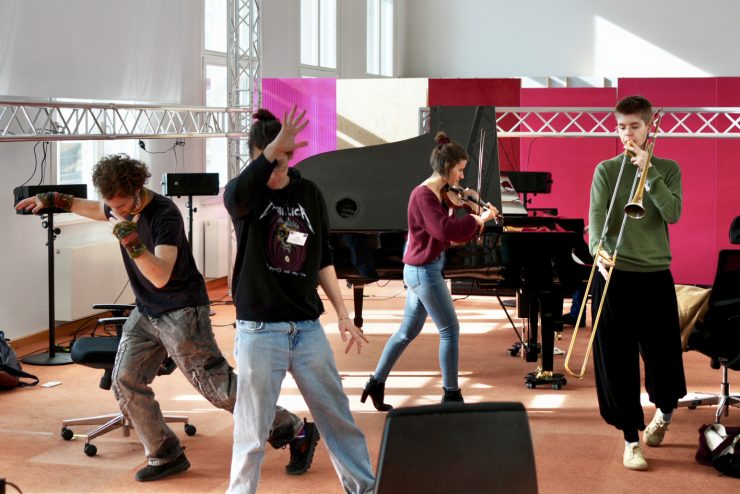
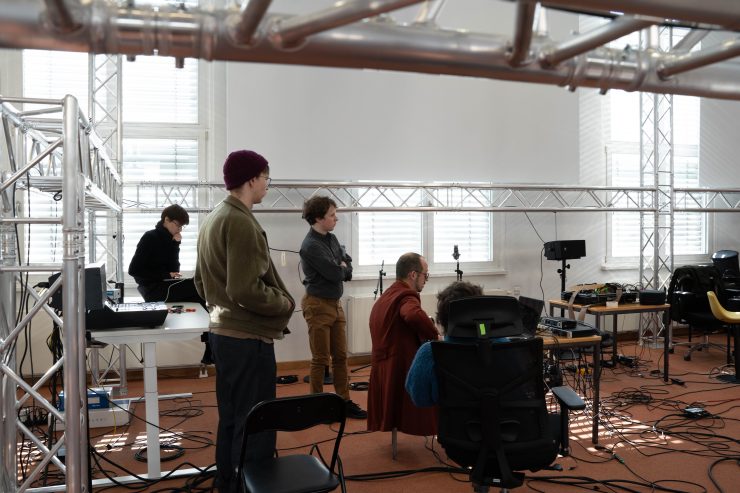
A diverse group of international teachers led workshops exploring a wide spectrum of improvisation practices. Sessions addressed approaches such as instant composition and the creation of musical forms in real time, the history and methods of free improvisation, and strategies for navigating unknown musical situations. Participants explored improvisation through voice, instrumental ensemble playing, movement, spatial awareness, and improvising with electronics. Activities ranged from vocal improvisation and large improvising ensembles to intermedial improvisation using audio scores, where performers responded to auditory cues while integrating played music, live electronics, and movement. Some workshops also investigated improvisation in dialogue with technology, exploring the co-creation of music between human performers and machine agents and reflecting on questions of listening, agency, and musical identity in these contexts. Together, these approaches encouraged students to develop listening, communication, and creative decision-making skills, while expanding their understanding of improvisation as a versatile artistic practice across disciplines.
Focused discussion groups addressed several themes shaping contemporary improvisation practice and pedagogy, including:
- Improvisation, Ethics and Politics
- Improvisation and Pedagogy
- Critical Improvisation Studies
- Improvisation and Artificial Intelligence
Improvising together across traditions and perspectives created a dynamic learning environment, offering participants new artistic tools and fresh inspiration for their musical practice. The programme once again highlighted the important role improvisation plays in contemporary musicianship and higher music education, fostering creativity, critical thinking, and collaboration across institutions and borders.
The METRIC Network is coordinated by the Association Européenne des Conservatoires (AEC), supporting collaboration and innovation in improvisation pedagogy across Europe.
Students and teachers from the following institutions participated in the 2026 Intensive Programme:
- Antwerp — Royal Conservatoire
- Barcelona — Escola Superior de Música de Catalunya
- Bucharest — Universitatea Naţională de Muzică din Bucureşti
- Den Haag — Koninklijk Conservatorium
- Glasgow — Royal Conservatoire of Scotland
- Helsinki — Sibelius Academy of the University of the Arts
- Leipzig — Hochschule für Musik und Theater
- Linz — Anton Bruckner University
- London — Guildhall School of Music & Drama
- London — Royal College of Music
- Lübeck — Musikhochschule Lübeck
- Lucerne — University of Applied Sciences and Arts
- Paris — Conservatoire de Paris
- Stockholm — Royal College of Music
- Tallinn — Estonian Academy of Music and Theatre
- Vilnius — Lithuanian Academy of Music and Theatre
The METRIC Network extends its sincere thanks to the students, teachers, and staff who contributed to this year’s programme, and to the team at Musikhochschule Lübeck for their warm hospitality and excellent organisation.