Thursday 12 February
Students meeting (only for students)
Join us for an engaging and interactive welcome session, designed to connect you with fellow students and set the stage for an inspiring conference! This session will introduce you to the AEC, PJP, EPASA and the student community, with insights from past events and tips to make the most of your time here.
Expect a mix of fun icebreakers and discussions on this year’s PJP theme. You will also hear from Metropolia students and get practical advice on navigating the conference, because your voice matters!
We will wrap up with some casual chats and networking before diving into the full conference experience. See you there!
Marloes De Nul (PJP WG student representative and EPASA Vice President) and Natalie Roe (EPASA President).
Tour around the facilities and Genelec showcase
Guided Tours at 15:00–15:45 and 16:00–16:45 (meeting point Soiva building, ground floor lobby)
Genelec Showcases available at 15:00 – 16:00 and 16:00 – 17:00 at Control Room A (ASK12) of the sound studios, bottom floor)
Immersive Speaker Setups
Technologies and scalability of our systems
Presented by Genelec Oy
We’ll begin with a short presentation about Genelec as a company—past and present. After that, we’ll go through our essential SAM (Smart Active Monitoring) technologies, systems, and products. We’ll then briefly cover the system setup and calibration principles. Finally, we’ll end with a listening session featuring examples of immersive mixes and sound.
Newcomers session
Join the Newcomers Session for a warm welcome and an introduction to the conference!
Participants will receive information about the AEC and PJP, learn how to navigate the programme, and be helped to get ready to make the most of the days ahead.
Pre-conference sessions on different topics
The Pre-Conference will be more closely connected to the three key themes of the Meeting:
- Self-expression
- Community engagement
- Wellbeing in music
These topics will be addressed by one breakout group each, all consisting of teachers, heads/managers, and students together.
Each group discussion will be prepared by a short introduction to the subject, and reported back to a plenary discussion at the end of the Pre-Conference session. The aim is to come up with (possibly student-led) questions on each topic that are to be answered during the PJP Meeting.
We hope that this Pre-Conference format will provide us all with a more in-depth look at the themes of the PJP Meeting, and produce more useful information on these extremely important subjects. So if you are travelling to Helsinki already on Thursday afternoon, please lend us your expertise and insight and join us for the Pre-Conference!
Jam session
Restaurant Juttutupa (https://juttutupa.fi/english/) (Kitchen open until 21:30)
Dinner at own expense
Restaurant recommendations
Near the Railway Station and Hotel Radisson RED
Ravintola 10. Kerros – Restaurant 10th Floor
Restaurant Olivia Central Station
Restaurant Deliberi – Keskuskatu
Vibami – Vietnamese Kitchen Kluuvi
Vltava – Czech restaurant
Near Hotel Scandic Park
Restaurant Kuu
Restaurant Levant Töölö
Famu & Bar – Gastropub
In Hakaniemi area near Hotels Scandic Paasi and Scandic Hakaniemi
Restaurant Memphis Hakaniemi
Restaurant Juttutupa
Restaurant Graniittiklubi
Vegan Restaurant Sen Chay
Restaurant Oiva
Near Metropolia Arabia Campus
Restaurant Swagatam
Restaurant Bistro Bryk
Krung Thep Thai Bistro Arabia
Pizzeria Parmesan Arabia
Friday 13 February
Registration opens (Coffee available)
Opening session
- Music introduction
- Welcome words
- Paavo Arhinmäki – Deputy Mayor Helsinki Culture and Leisure
- Riitta Konkola – President and CEO Metropolia University of Applied Sciences
- Kirsi Kaunismäki-Suhonen – Director School of Cultural Services and Music at Metropolia University of Applied Sciences
- Finn Schumacker – Executive Director AEC
- Natalie Roe – President EPASA and Marloes de Nul – Vice President EPASA and Student Representative PJP WG
- Jere Laukkanen – Chair PJP WG
Plenary Session I - Self-expression in music – what does it actually mean? - Kari Ikonen
Self-expression in music – what does it actually mean?
The term self-expression is used widely, but does it always meet its definition in the right way? It includes two words: self and expression. Self refers to the actual person, not to someone else. Expression should not mean reproduction, but rather something creative and original, that comes from the expressing person’s own brain and soul.
In today’s highly educated music scene this is not always the case. Too often musicians are actually just reproducing something they have studied; imitating the old masters, trying to express someone else’s thoughts, ideas, melodies and sound.
I feel this is the major problem in jazz education today: when students graduate, they often sound almost exactly like thousands of other students around the world. Some of them are technically skilled, capable of playing fast lines, advanced harmonies, and tricky rhythms, but too often the soul is missing. Their own voice is hidden behind the well-practiced phrases of their idols. This is not how it should be – jazz is considered to be a creative art form where musicians express themselves through improvisation: telling their own stories in their own words, with their own voice, transmitting their own spirits and emotions to the listeners.
When teaching music, it’s extremely important that teachers are able to hear and understand their students’ different personalities, souls, and backgrounds – and then encourage them to search for their own paths, which may lead somewhere we haven’t been yet – while still learning all the skills needed to transform their ideas into music, and to communicate musically with others. All speaking the same language – fluently – but each student bringing their own fresh ideas to the conversation, with a strong, personal dialect.
Kari Ikonen talks about his journey, from early studies to the music academy and onward to learning by doing, constantly searching for new inspiration.
Where he is today and where he hopes to get in his never-ending growth as an artist?
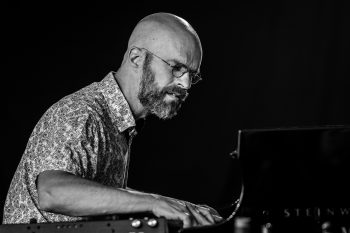
Kari Ikonen (b. 1973) is an award-winning Finnish composer, pianist, and moogist. He performs worldwide as a solo pianist, in duos with Louis Sclavis, Claudio Puntin, and Fabrizio Cassol, and with ensembles such as Orchestra Nazionale della Luna, Wishamalii, and Quartet Ajaton.
He has collaborated with Lee Konitz, Bob Moses, Tony Malaby and Ingrid Jensen; recorded 50 albums – eight under his own name – and performed in 30 European countries and on all continents except Antarctica. His debut album Karikko received the Emma Award (Finland’s Grammy) in 2001, and in 2013 he was awarded the Yrjö Award as Finnish Jazz Musician of the Year. His compositions have received first prizes in the American Julius Hemphill Composition Awards and the Italian competition Scrivere in Jazz.
Deeply inspired by Arabic music, Ikonen developed the revolutionary Maqiano™ Microtuning System, enabling microtonal performance on the acoustic piano.
Break to allow room change
Breakout Groups with PJP Working Group members
Lunch
Workshops 1
This workshop explores the art of live improvisation using a DAWless (Digital Audio Workstation-less) electronics setup,with a focus on techno and electronic music aesthetics. The session will begin with a brief introduction to compact DAWless setups: I will demonstrate the key aspects of designing an efficient and expressive live rig, outlining the rationale behind my own setup choices.
Following this, I will present a short live performance to showcase the possibilities and limitations inherent in DAWless environments, highlighting how constraints foster creativity and shape improvisational approaches within electronic music genres such as techno. Discussion will include key aesthetic considerations of electronic music and strategies for creative improvisation within genre boundaries.
Interactive components will play a central role. Participants will be invited to engage hands-on with the instruments (in small groups or via volunteers) to explore how minimal gear and hardware interfaces support musical dialogue and spontaneous creation. We will undertake quick collective improvisation exercises, focusing on responding to eachother’s rhythmic and sonic gesturesusing only the equipment available—no computers, no screens. The session will conclude with an open Q&A and group reflection on how DAWless workflows can influence identity, artists performance practice.
This workshop is suitable for both experienced electronic musicians and new comers interested in real-time creation, hands-on engagement, and expanding their improvisational vocabulary.
Josu Mämmi is a Finnish composer, DJ, sound designer, educator, and musician with a Master of Music from Metropolia University of Applied Sciences. His artistic career spans work in music, contemporary dance, and short films, shaping his distinctive, eclectic sound. Josu’s releases have reached global audiences, with music featured in the sets of renowned artists such as A-Trak, Laurent Garnier, Honey Dijon, and Maceo Plex. In recent years, his focus has shifted toward contemporary dance and sound design. Drawn to melancholy and minimalism, Josu’s music reflects the Nordic landscape and often incorporates generative sequencing and algorithmic techniques. He sees electronic music as a tool for physical and spiritual exploration and strives to push creative boundaries. Josu is a senior lecturer in music writing and production at Metropolia University and also teaches music technology and creativity at Turku Conservatory.
This 60-minute workshop explores how producers and educators can develop both the technical and interpersonal skills needed to work eUectively with singers in the studio. Vocal recording sessions are where artistry, technology, and human interaction meet most directly and where the producer’s decisions have immediate impact on performance, confidence and interpretation. The workshop begins with a short demonstration of a well-working vocal recording setup, focusing on how monitoring, microphone choice, and communication influence the singer’s comfort and delivery. Participants will listen to real session examples that reveal how subtle changes in the process can aUect both the flow and the output of the vocal recording session. The core of the session is a guided live demonstration with commentary. Together with a singer, I will illustrate how small shifts in communication, headphone cue mix balance or emotional framing can alter a vocal performance. The process will be paused at key moments to discuss what is actually happening in the room — how verbal and nonverbal cues aUect both confidence and sound. Participants can engage in the session by providing the producer-lecturer some peer feedback on how the session is being run. The final part of the workshop connects these insights to teaching practice in higher music education. How can we design exercises and feedback structures that develop students’ interpersonal awareness alongside their technical abilities? Participants will leave with practical ideas for studio-based pedagogy, applicable across diUerent musical styles and educational contexts. This workshop relates to the AEC Pop and Jazz Platform themes of teaching and learning methods, wellbeing in music education, instrument- and genre-specific practices and the evolving role of the teacher in higher music education, namely in contemporary production training.
Julius Mauranen (MMus) is an award-winning Finnish music producer, recording and mixing engineer and senior lecturer in music production and technology at Metropolia University of Applied Sciences in Helsinki. Since 2010, he has taught various aspects of music production and technology, including applied production and recording practices, mixing and the producer’s interaction with artists and performers. He has worked with major Finnish artists, including Stam1na, Viitasen Piia, Vesa-Matti Loiri, Oranssi Pazuzu and Olavi Uusivirta, etc., in projects ranging from intimate singersongwriter albums to ear-blistering experimental metal productions. His production philosophy is grounded in the belief that creativity thrives when detours and mistakes are valued as part of the production process. Risk-taking and breaking familiar patterns make room for surprise, authenticity and artistic growth. His teaching draws directly from professional practice, encouraging students develop as reflective and mindful practitioners, who combine technical fluency with critical thinking, awareness and empathy in their work.
In the band class, lesson time is largely devoted to learning to perform tunes correctly and mastering repertoires. While all this is self-evidently important, it does not necessarily teach the students what could really take their overall performance skills to the next level. To elevate the level of band performance in higher music education, this workshop takes a deeper look at enhancing a more profound level of musicianship. In doing so, it presents effective exercises that improve the groove of a band – a topic that has previously been considered mysterious.
According to my 2022 doctoral research, the key components of rock groove include timing, phrasing, and time-feel. Actively working on a given rhythm part by AC/DC, the participants of this highly interactive workshop perform exercises that are specifically designed to develop their skills in each of these musical elements. Firstly, cohesive timing is reached by each participant practicing with the metronome on beats two and four, then only on beat four, and finally, at extremely slow tempos. Secondly, for the ability to produce different grooves, I introduce a novel phrasing exercise that increases students’ control over a diminutive amount of swing feel that is characteristic even in rock (Wahlström 2022). Thirdly, in terms of time-feel, I present a pedagogical technique that enables the band to constitute either a laidback or an ahead-of-the-beat feel.
In addition to my academic research, all this relies on workshops that I have designed and taught for the last 10–15 years. These include a Groove Workshop at the Helsinki Pop & Jazz Conservatory and a Hard Rock & Heavy Metal Workshop at the Metropolia University of Applied Sciences in Helsinki. They have been effective and immensely popular among students. Ultimately, sharing this pedagogical innovation is my suggestion for developing band performance in higher music education.
Kristian Wahlström, PhD, is an established guitarist and has played professionally for over 25 years in the Finnish music scene. As a freelancer, he has performed live with, e.g., Michael Monroe (ex-Hanoi Rocks) and Perttu Kivilaakso (Apocalyptica) as well as recorded with Darude among others. He has taught guitar and bands now for over 20 years at the Pop & Jazz Conservatory in Helsinki, a pioneering institution for popular music in Scandinavia. At the Metropolia University of Applied Sciences in Helsinki, he teaches guitar pedagogy and band workshops, and supervises master’s theses. He holds a PhD in musicology from the University of Helsinki. His research interests include student-centered pedagogy, groove, and psychodynamic music research.
How can feedback in artistic education strengthen learning, curiosity, and creative development rather than limit it?
This interactive workshop introduces Critical Response Process (CRP), a structured method for feedback that promotes trust, respect, and reflection. Developed by choreographer Liz Lerman in the 1980s, CRP has become an influential approach used in higher arts education, professional arts contexts, and collaborative environments worldwide.
CRP is based on the idea that the receiver of feedback should have an active and guiding role in the dialogue. The focus is on exploring rather than judging, and on deepening understanding rather than providing quick advice.
The process consists of four stages:
- Statements of Meaning – What was strong, interesting, or meaningful?
- Artist’s Questions – What does the presenter want feedback on?
- Responders’ Questions – Open questions to learn more.
- Opinions and Suggestions – Only if the presenter gives permission.
Participants in this session will experience a short, practical version of the process, followed by reflection and discussion on how CRP can be used in teaching, ensemble work, artistic supervision, and examination.
The method has been applied since 2015 at the Academy of Music and Drama, University of Gothenburg, where it has deepened dialogue between teachers, students, and researchers, and enriched the ways we talk about artistic work, learning, and quality.
This workshop invites music educators and students to explore a feedback culture that enhances ownership, artistic growth, and well-being in higher music education.
Jonas is one of Sweden’s most influential flute players in folk and world music and has toured internationally for over forty years. His artistic work explores improvisation, tradition, and musical dialogue across genres and cultures.
Within higher music education, he has contributed to developing reflective and studentcentered approaches to learning, emphasizing the artistic and human dimensions of feedback, collaboration, and creative risk-taking.
In this session I would like to present Vocal Painting (VOPA) as a tool to work with singers, ensembles and music students in general.
Vocal Painting (VOPA) is an educational and artistic tool that enables choir conductors and singers to shape and structure music in real time. Through VOPA, both conductors and singers can work with live arranging and composing. VOPA can also be integrated into work with traditional repertoire – both as a tool to clarify musical details during rehearsals and to create a more dynamic expression in concert settings. The VOPA system originally evolved from Soundpainting and has been developed by Professor Jim Daus Hjernøe from the Royal Academy of Music in Aarhus, Denmark.
I have used VOPA as a tool working with ear training, group dynamics, co-creation, and during concert performances – to mention some. During the session I will share my experiences with working with ensembles and students, and we will learn how do to some vocal painting together. We will work both with repertoire and loop-based improvisation.
The workshop is for everyone who is interested in vocal music and improvisation. It will be a practical session with singing. You don’t have to have any experience with vocal painting to join the session.
Linda Kristengård is a Norwegian singer, choir leader, and vocal coach with over 20 years of experience in leading vocal ensembles. She holds a Master’s degree in Innovative Choir Leading from the Royal Academy of Music in Denmark, as well as a Master’s degree in Musicology with a focus on vocal improvisation.
Her work combines high artistic ambition with a strong focus on musical communication, improvisation, and ensemble development. She draws on a broad methodological toolbox, including elements of Vocal Painting, and is committed to creating inclusive and inspiring spaces where singers feel safe to explore, grow, and reach new artistic heights—both individually and collectively.
Linda has collaborated with a wide range of artists across genres and is regularly engaged as a workshop leader in Norway and internationally.
She also serves on the board of the Aarhus Vocal Festival. She is currently based in Oslo, where she combines her role as Assistant Professor at NLA University College—leading the choir leading programme—with an active artistic practice.
This research-based music project explores the dynamic relationship between tension and relaxation, both found in music and in the body.
By drawing parallels between musical tension and release through harmony, melody, and dynamics and bodily rhythms, breathing and heartbeat, the project proposes a new form of embodied composition. In a later stage of the research, the listener’s body will provide information for the composition. Every body is unique, so the key innovation of this project is personalization of the composition through synchronization with the body.
Charlotte & Reinhard are very excited to share the first outcome in the form of a workshop: a synced breathing exercise and mindfulness, guided by live music.
What the 45 minute workshop looks like: Equal breathing exercise, guided by live music. Guided meditation through live music. Information on the research. Feedback moment for the audience.
Charlotte & Reinhard, partners in life and music, hail from Ghent, Belgium. Signed to the Copenhagen-based Balearic label Music For Dreams, their work spans various projects, including Rheinzand, their duo Charlotte & Reinhard, and numerous other collaborations. They both hold a teaching position at KASK & Conservatory in Ghent in the jazz, pop & production department. The duo has always taken on new and exciting musical adventures. Currently they are developing science based meditation music through a two year artist residency at the Institute for Psychoacoustics and Electronic Music (IPEM) of Ghent University.
Workshops 2
This workshop explores the art of live improvisation using a DAWless (Digital Audio Workstation-less) electronics setup,with a focus on techno and electronic music aesthetics. The session will begin with a brief introduction to compact DAWless setups: I will demonstrate the key aspects of designing an efficient and expressive live rig, outlining the rationale behind my own setup choices.
Following this, I will present a short live performance to showcase the possibilities and limitations inherent in DAWless environments, highlighting how constraints foster creativity and shape improvisational approaches within electronic music genres such as techno. Discussion will include key aesthetic considerations of electronic music and strategies for creative improvisation within genre boundaries.
Interactive components will play a central role. Participants will be invited to engage hands-on with the instruments (in small groups or via volunteers) to explore how minimal gear and hardware interfaces support musical dialogue and spontaneous creation. We will undertake quick collective improvisation exercises, focusing on responding to eachother’s rhythmic and sonic gesturesusing only the equipment available—no computers, no screens. The session will conclude with an open Q&A and group reflection on how DAWless workflows can influence identity, artists performance practice.
This workshop is suitable for both experienced electronic musicians and new comers interested in real-time creation, hands-on engagement, and expanding their improvisational vocabulary.
Josu Mämmi is a Finnish composer, DJ, sound designer, educator, and musician with a Master of Music from Metropolia University of Applied Sciences. His artistic career spans work in music, contemporary dance, and short films, shaping his distinctive, eclectic sound. Josu’s releases have reached global audiences, with music featured in the sets of renowned artists such as A-Trak, Laurent Garnier, Honey Dijon, and Maceo Plex. In recent years, his focus has shifted toward contemporary dance and sound design. Drawn to melancholy and minimalism, Josu’s music reflects the Nordic landscape and often incorporates generative sequencing and algorithmic techniques. He sees electronic music as a tool for physical and spiritual exploration and strives to push creative boundaries. Josu is a senior lecturer in music writing and production at Metropolia University and also teaches music technology and creativity at Turku Conservatory.
This 60-minute workshop explores how producers and educators can develop both the technical and interpersonal skills needed to work eUectively with singers in the studio. Vocal recording sessions are where artistry, technology, and human interaction meet most directly and where the producer’s decisions have immediate impact on performance, confidence and interpretation.
The workshop begins with a short demonstration of a well-working vocal recording setup, focusing on how monitoring, microphone choice, and communication influence the singer’s comfort and delivery. Participants will listen to real session examples that reveal how subtle changes in the process can aUect both the flow and the output of the vocal recording session.
The core of the session is a guided live demonstration with commentary. Together with a singer, I will illustrate how small shifts in communication, headphone cue mix balance or emotional framing can alter a vocal performance. The process will be paused at key moments to discuss what is actually happening in the room — how verbal and nonverbal cues aUect both confidence and sound. Participants can engage in the session by providing the producer-lecturer some peer feedback on how the session is being run.
The final part of the workshop connects these insights to teaching practice in higher music education. How can we design exercises and feedback structures that develop students’ interpersonal awareness alongside their technical abilities? Participants will leave with practical ideas for studio-based pedagogy, applicable across diUerent musical styles and educational contexts.
This workshop relates to the AEC Pop and Jazz Platform themes of teaching and learning methods, wellbeing in music education, instrument- and genre-specific practices and the evolving role of the teacher in higher music education, namely in contemporary production training.
Julius Mauranen (MMus) is an award-winning Finnish music producer, recording and mixing engineer and senior lecturer in music production and technology at Metropolia University of Applied Sciences in Helsinki. Since 2010, he has taught various aspects of music production and technology, including applied production and recording practices, mixing and the producer’s interaction with artists and performers. He has worked with major Finnish artists, including Stam1na, Viitasen Piia, Vesa-Matti Loiri, Oranssi Pazuzu and Olavi Uusivirta, etc., in projects ranging from intimate singersongwriter albums to ear-blistering experimental metal productions. His production philosophy is grounded in the belief that creativity thrives when detours and mistakes are valued as part of the production process. Risk-taking and breaking familiar patterns make room for surprise, authenticity and artistic growth. His teaching draws directly from professional practice, encouraging students develop as reflective and mindful practitioners, who combine technical fluency with critical thinking, awareness and empathy in their work.
Developing harmonic awareness and skills is a crucial goal not only in Pop and Jazz Ear training but for every musician, in order to improve experSse in intonaSon, improvisaSon, performance, sight singing and memorization. In spite of this, most students have to face these challenges with no clear strategies nor specific tools. During the workshop, we will directly experience eight different approaches to chord recognition, from the most common to some unusual ones, evaluating pros and cons of each of them. Participants will be involved in a real Ear training session and will directly experience those strategies, through extemporaneous group singing (one to three voices), body movements according to the chord progressions they hear, melodic lines drawn in the air along with the music.
We will especially focus on those approaches that meet the following criteria:
– fit for use in real time, while the listener is currently hearing / the performer is currently playing. Too many times Ear training is considered just a kind of audio analysis: of course we pay the highest respect for analysis, but in many performing situations a fast (maybe incomplete) answer provided by Ear training tools could be more desirable than a perfect (but late) one obtained through analysis.
– suitable for a wide variety of music genres and repertoires. Despite the suspicion with which pop and jazz music is sometimes viewed in academic circles, these languages can offer a solid, easy to use and convenient basis for harmonic understanding even to classical musicians, and it is precisely from these repertoires that we will start our work, with the aim of building bridges rather than walls between musicians.
DURATION
60’ including 15’ Q&A session.
Fabio Ferrucci works at Conservatorio “Arrigo Boito” in Parma (Italy) as Ear training professor, Head of Theory department, Pro-rector for PhD and Postgraduate courses, PhD supervisor. He was awarded Piano, Choral music and choir conducting, Didactics, Electroacoustic composition, Piano tuning diplomas. He postgraduated cum laude in Philosophy at Bologna University and wrote the book “L’arte della memoria di Giordano Bruno” about Renaissance mnemonics. He created and since 2015 organizes the annual International Ear training workshop “Sentiamoci a Parma” leading to the birth of the widest European network in this field. He carries out an intense training and teaching activity abroad as well as being a speaker at the most significant events in the sector. Jury member for four editions of the International Solfege Competition in Ljubljana, in 2019 and 2020 he won both editions of the national “Leonardo da Vinci” prize for the development of international research projects. In 2022 he created at Conservatorio “Boito” the Postgraduate specialization course in Ear training, the only one running in Italy.
In this session I would like to present Vocal Painting (VOPA) as a tool to work with singers, ensembles and music students in general.
Vocal Painting (VOPA) is an educational and artistic tool that enables choir conductors and singers to shape and structure music in real time. Through VOPA, both conductors and singers can work with live arranging and composing. VOPA can also be integrated into work with traditional repertoire – both as a tool to clarify musical details during rehearsals and to create a more dynamic expression in concert settings. The VOPA system originally evolved from Soundpainting and has been developed by Professor Jim Daus Hjernøe from the Royal Academy of Music in Aarhus, Denmark.
I have used VOPA as a tool working with ear training, group dynamics, co-creation, and during concert performances – to mention some. During the session I will share my experiences with working with ensembles and students, and we will learn how do to some vocal painting together. We will work both with repertoire and loop-based improvisation.
The workshop is for everyone who is interested in vocal music and improvisation. It will be a practical session with singing. You don’t have to have any experience with vocal painting to join the session.
Linda Kristengård is a Norwegian singer, choir leader, and vocal coach with over 20 years of experience in leading vocal ensembles. She holds a Master’s degree in Innovative Choir Leading from the Royal Academy of Music in Denmark, as well as a Master’s degree in Musicology with a focus on vocal improvisation.
Her work combines high artistic ambition with a strong focus on musical communication, improvisation, and ensemble development. She draws on a broad methodological toolbox, including elements of Vocal Painting, and is committed to creating inclusive and inspiring spaces where singers feel safe to explore, grow, and reach new artistic heights—both individually and collectively.
Linda has collaborated with a wide range of artists across genres and is regularly engaged as a workshop leader in Norway and internationally.
She also serves on the board of the Aarhus Vocal Festival. She is currently based in Oslo, where she combines her role as Assistant Professor at NLA University College—leading the choir leading programme—with an active artistic practice.
This interactive workshop introduces folk music-based, inclusive teaching methods through Näppäri pedagogy. Originating in the 1980s, this pedagogical approach has taken on asignificant role in Finnish music education in recent years. By connecting different ages and skill levels and placing local traditions at the heart of the curriculum, Näppärit fosters musical diversity, inclusion, and a lifelong relationship with music.
Workshop Outline:
- Presentation of the pedagogical system 15min
- Hands-on session: Exploring pedagogical materials and working methods by playing together 30min
- Q&A15min
MuM Pilvi Järvelä is a pianist and harmonium player currently undertaking an applied doctoral degree at the Sibelius Academy, University of the Arts Helsinki. Her research focuses on the affordances of the piano in folk music, with particular emphasis on its pedagogical applications and potential. Järvelä is also actively involved in the Näppäri activities.
Anni Järvelä is an educator and musician who grew up with Näppäri pedagogics. She currently works as an RDI expert at Centria University of Applied Sciences, leading projects that combine education and living cultural heritage. Järvelä is also working on a doctoral dissertation at Åbo Akademi University on the constructs of sustainable cultural development in higher music education.
Rooted in concepts from Paulo Freire (1970), Pauline Oliveros (2005), and David Ake (2002), this workshop—approached from a jazz musician’s perspective—will address consciousness, listening, and spontaneity within a collaborative, interactive framework. Together, we will explore how to shape the room—physically and relationally—to hold space for new possibilities and for one another.Our physical being can serve as a source of inspiration, capable of expressing depth and meaning in musical artistry (Ake 2002). Granting ourselves permission to move within the space can unlock deeper connections to our environment and to others, fostering ease, authenticity, and awareness.
The workshop will begin with exercises inspired by Pauline Oliveros, inviting participants to explore individual and collective consciousness through breathing, listening, and movement. We will then explore the physical properties of the room through a guided, open-ended meandering, encountering varied constellations and relational configurations. Rather than entering the space preoccupied with whether it will serve our intended purposes, participants are invited to reconsider purpose itself—allowing meaning to emerge from the realities of the room, rather than imposing an ideal atmosphere.
Subsequent exercises will focus on releasing tension and awakening self and collective awareness, incorporating sonic interactions and culminating in small-group dialogue. Participants will reflect on how these experiences relate to self-expression, community engagement, and well-being. The underlying ethos of this sequence is grounded in a disposition of love—toward oneself and one’s fellow participants—reflecting the idea that love fuels creation and re-creation and is therefore a fundamental element of genuine dialogue (Freire 1970).
At one point, participants will be guided to make personal contact with someone new. For example, each person may remove a sticky note from another participant’s back and read it aloud. The receiver may respond directly—or choose silence or movement as a valid form of engagement.
We may be familiar with the phrase “read the room.” In this workshop, participants are invited to go further: to read themselves, and then the room—the space and relationships in which they find themselves.
Sebastian Bailey is a saxophonist, improviser, composer, and educator from Montreal. His discography includes Silhouettes of Silence (Fresko Music, 2012), Love Song for the Nation (Vineyard Records, 2016), and Ensemble de Magnac (self-released, 2018). From 2017 to 2020, Sebastian collaborated with pianist Jean-Michel Pilc on the Improvisation Workshop Project (IWP), coordinating collective improvisation sessions and analyzing participant responses. He later developed his most experimental approaches to improvisation in collaboration with acclaimed Canadian improvisor and drummer Nick Fraser. Recognized for his composing by the International Society of Jazz Arrangers and Composers (University of Northern Colorado, 2018), Sebastian also presented his doctoral research on improvisation at the International Network of Artistic Research in Jazz (INARJ) Conference (Vienna, 2024) and currently lectures at the Berlin University of the Arts ( Universität der Künste Berlin; Studium Generale & Jazz Institut Berlin).
Networking with refreshments
New connections (Speed dating)
New Connections is a dynamic networking experience where participants meet each other in short, focused conversation rounds. With every new round, participants can share a bit about themselves, listen with curiosity, and build fresh connections in a positive and uplifting environment!
‘The rising tide lifts all boats: exploring artistic research practices in folk, popular & jazz music’ - AEC Traditional, Folk, and Global Music WG
Members of the AEC Traditional, Folk and Global Music Working Group
– Joshua Dickson (Royal Conservatoire of Scotland – Glasgow, United Kingdom)
– Laura Poggio (Centro Superior Música Creativa – Madrid, Spain)
– Althea SullyCole (McGill University – Schulich School of Music – Montreal, Canada)
Members of the AEC Pop and Jazz Platform
– Mario Carrillo (Centro Superior Música Creativa – Madrid, Spain)
– Michael Kahr (JAM MUSIC LAB Private University – Vienna, Austria)
– Kristiina Ilmonen (Sibelius Academy, Uniarts Helsinki – Helsinki, Finland)
Dinner
Restaurant Paasitorni, Paasivuorenkatu 5 A
Saturday 14 February
Information Forum
- Music Introduction
- Information Forum
Networking with refreshments + Information Market
Plenary Session II - Neuroscience highlights: the cognitive and wellbeing effects of music - Minna J Huotilainen
Neuroscience highlights: the cognitive and wellbeing effects of music
Modern neuroscience is able to depict what happens in the human brain when we hear music, and more importantly, when we practice musical skills. This talk discusses the findings from our research group and also internationally showing how musical training alters brain structure and function, and what implications those alterations may have. Specifically, the positive effects of singing and musical play in childhood are discussed and studies in children who especially benefit from such activities, like children with dyslexia, children studying in the 2nd language, children with hearing impairments, children with attention or learning deficits, and children from marginalised families, are presented. Further, the talk discusses recent data from Finnish teachers and teacher students, and especially their capabilities and willingness to teach music as a school subject and to use musical teaching methods in teaching other subjects. Additionally, a very brief summary of recent results in the adult and elderly brain with respect to musical training is presented.
The talk also speculates on the role of music in the development of the humankind, and discusses some recent hypothesis that have been put forward on the topic. Finally, the talk ends in an urgent petition for the recognition of the value of music in our society.
Minna Huotilainen is professor of educational sciences at University of Helsinki. Her background is in neuroscience and she is known for her work examining the effects of musical training on the human brain. Her work shows that music has many benefits for children, young people and adults, and she likes to speculate on the more general implications of these findings.

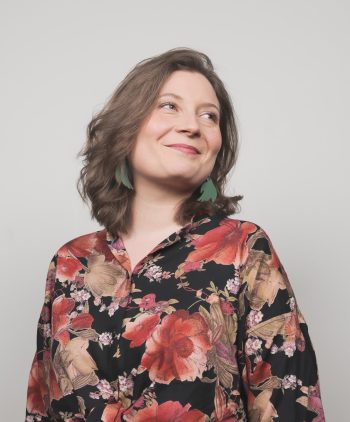
Photo credits: Harri Hinkka
Break to allow room change
Breakout Groups with PJP Working Group members
Lunch
Workshops 3
In the band class, lesson time is largely devoted to learning to perform tunes correctly and mastering repertoires. While all this is self-evidently important, it does not necessarily teach the students what could really take their overall performance skills to the next level. To elevate the level of band performance in higher music education, this workshop takes a deeper look at enhancing a more profound level of musicianship. In doing so, it presents effective exercises that improve the groove of a band – a topic that has previously been considered mysterious.
According to my 2022 doctoral research, the key components of rock groove include timing, phrasing, and time-feel. Actively working on a given rhythm part by AC/DC, the participants of this highly interactive workshop perform exercises that are specifically designed to develop their skills in each of these musical elements. Firstly, cohesive timing is reached by each participant practicing with the metronome on beats two and four, then only on beat four, and finally, at extremely slow tempos. Secondly, for the ability to produce different grooves, I introduce a novel phrasing exercise that increases students’ control over a diminutive amount of swing feel that is characteristic even in rock (Wahlström 2022). Thirdly, in terms of time-feel, I present a pedagogical technique that enables the band to constitute either a laidback or an ahead-of-the-beat feel.
In addition to my academic research, all this relies on workshops that I have designed and taught for the last 10–15 years. These include a Groove Workshop at the Helsinki Pop & Jazz Conservatory and a Hard Rock & Heavy Metal Workshop at the Metropolia University of Applied Sciences in Helsinki. They have been effective and immensely popular among students. Ultimately, sharing this pedagogical innovation is my suggestion for developing band performance in higher music education.
Kristian Wahlström, PhD, is an established guitarist and has played professionally for over 25 years in the Finnish music scene. As a freelancer, he has performed live with, e.g., Michael Monroe (ex-Hanoi Rocks) and Perttu Kivilaakso (Apocalyptica) as well as recorded with Darude among others. He has taught guitar and bands now for over 20 years at the Pop & Jazz Conservatory in Helsinki, a pioneering institution for popular music in Scandinavia. At the Metropolia University of Applied Sciences in Helsinki, he teaches guitar pedagogy and band workshops, and supervises master’s theses. He holds a PhD in musicology from the University of Helsinki. His research interests include student-centered pedagogy, groove, and psychodynamic music research.
This research-based music project explores the dynamic relationship between tension and relaxation, both found in music and in the body.
By drawing parallels between musical tension and release through harmony, melody, and dynamics and bodily rhythms, breathing and heartbeat, the project proposes a new form of embodied composition. In a later stage of the research, the listener’s body will provide information for the composition. Every body is unique, so the key innovation of this project is personalization of the composition through synchronization with the body.
Charlotte & Reinhard are very excited to share the first outcome in the form of a workshop: a synced breathing exercise and mindfulness, guided by live music.
What the 45 minute workshop looks like: Equal breathing exercise, guided by live music. Guided meditation through live music. Information on the research. Feedback moment for the audience.
Charlotte & Reinhard, partners in life and music, hail from Ghent, Belgium. Signed to the Copenhagen-based Balearic label Music For Dreams, their work spans various projects, including Rheinzand, their duo Charlotte & Reinhard, and numerous other collaborations. They both hold a teaching position at KASK & Conservatory in Ghent in the jazz, pop & production department. The duo has always taken on new and exciting musical adventures. Currently they are developing science based meditation music through a two year artist residency at the Institute for Psychoacoustics and Electronic Music (IPEM) of Ghent University.
Developing harmonic awareness and skills is a crucial goal not only in Pop and Jazz Ear training but for every musician, in order to improve experSse in intonaSon, improvisaSon, performance, sight singing and memorization. In spite of this, most students have to face these challenges with no clear strategies nor specific tools. During the workshop, we will directly experience eight different approaches to chord recognition, from the most common to some unusual ones, evaluating pros and cons of each of them. Participants will be involved in a real Ear training session and will directly experience those strategies, through extemporaneous group singing (one to three voices), body movements according to the chord progressions they hear, melodic lines drawn in the air along with the music.
We will especially focus on those approaches that meet the following criteria:
– fit for use in real time, while the listener is currently hearing / the performer is currently playing. Too many times Ear training is considered just a kind of audio analysis: of course we pay the highest respect for analysis, but in many performing situations a fast (maybe incomplete) answer provided by Ear training tools could be more desirable than a perfect (but late) one obtained through analysis.
– suitable for a wide variety of music genres and repertoires. Despite the suspicion with which pop and jazz music is sometimes viewed in academic circles, these languages can offer a solid, easy to use and convenient basis for harmonic understanding even to classical musicians, and it is precisely from these repertoires that we will start our work, with the aim of building bridges rather than walls between musicians.
DURATION
60’ including 15’ Q&A session.
Fabio Ferrucci works at Conservatorio “Arrigo Boito” in Parma (Italy) as Ear training professor, Head of Theory department, Pro-rector for PhD and Postgraduate courses, PhD supervisor. He was awarded Piano, Choral music and choir conducting, Didactics, Electroacoustic composition, Piano tuning diplomas. He postgraduated cum laude in Philosophy at Bologna University and wrote the book “L’arte della memoria di Giordano Bruno” about Renaissance mnemonics. He created and since 2015 organizes the annual International Ear training workshop “Sentiamoci a Parma” leading to the birth of the widest European network in this field. He carries out an intense training and teaching activity abroad as well as being a speaker at the most significant events in the sector. Jury member for four editions of the International Solfege Competition in Ljubljana, in 2019 and 2020 he won both editions of the national “Leonardo da Vinci” prize for the development of international research projects. In 2022 he created at Conservatorio “Boito” the Postgraduate specialization course in Ear training, the only one running in Italy.
How can feedback in artistic education strengthen learning, curiosity, and creative development rather than limit it?
This interactive workshop introduces Critical Response Process (CRP), a structured method for feedback that promotes trust, respect, and reflection. Developed by choreographer Liz Lerman in the 1980s, CRP has become an influential approach used in higher arts education, professional arts contexts, and collaborative environments worldwide.
CRP is based on the idea that the receiver of feedback should have an active and guiding role in the dialogue. The focus is on exploring rather than judging, and on deepening understanding rather than providing quick advice.
The process consists of four stages:
- Statements of Meaning – What was strong, interesting, or meaningful?
- Artist’s Questions – What does the presenter want feedback on?
- Responders’ Questions – Open questions to learn more.
- Opinions and Suggestions – Only if the presenter gives permission.
Participants in this session will experience a short, practical version of the process, followed by reflection and discussion on how CRP can be used in teaching, ensemble work, artistic supervision, and examination.
The method has been applied since 2015 at the Academy of Music and Drama, University of Gothenburg, where it has deepened dialogue between teachers, students, and researchers, and enriched the ways we talk about artistic work, learning, and quality.
This workshop invites music educators and students to explore a feedback culture that enhances ownership, artistic growth, and well-being in higher music education.
Jonas is one of Sweden’s most influential flute players in folk and world music and has toured internationally for over forty years. His artistic work explores improvisation, tradition, and musical dialogue across genres and cultures.
Within higher music education, he has contributed to developing reflective and studentcentered approaches to learning, emphasizing the artistic and human dimensions of feedback, collaboration, and creative risk-taking.
Thisinteractiveworkshp introduces folk music-based, inclusive teaching methods through Näppäri pedagogy. Originating in the 1980s, this pedagogical approach has taken on asignificant role in Finnish music education in recent years. By connecting different ages and skill levels and placing local traditions at the heart of the curriculum, Näppärit fosters musical diversity, inclusion, and a lifelong relationship with music.
Workshop Outline:
- Presentation of the pedagogical system15min
- Hands-on session: Exploring pedagogical materialsand working methods by playingtogether30min
- Q&A15min
MuM Pilvi Järvelä is a pianist and harmonium player currently undertaking an applied doctoral degree at the Sibelius Academy, University of the Arts Helsinki. Her research focuses on the affordances of the piano in folk music, with particular emphasis on its pedagogical applications and potential. Järvelä is also actively involved in the Näppäri activities.
Anni Järvelä is an educator and musician who grew up with Näppäri pedagogics. She currently works as an RDI expert at Centria University of Applied Sciences, leading projects that combine education and living cultural heritage. Järvelä is also working on a doctoral dissertation at Åbo Akademi University on the constructs of sustainable cultural development in higher music education.
Rooted in concepts from Paulo Freire (1970), Pauline Oliveros (2005), and David Ake (2002), this workshop—approached from a jazz musician’s perspective—will address consciousness, listening, and spontaneity within a collaborative, interactive framework. Together, we will explore how to shape the room—physically and relationally—to hold space for new possibilities and for one another.Our physical being can serve as a source of inspiration, capable of expressing depth and meaning in musical artistry (Ake 2002). Granting ourselves permission to move within the space can unlock deeper connections to our environment and to others, fostering ease, authenticity, and awareness.
The workshop will begin with exercises inspired by Pauline Oliveros, inviting participants to explore individual and collective consciousness through breathing, listening, and movement. We will then explore the physical properties of the room through a guided, open-ended meandering, encountering varied constellations and relational configurations. Rather than entering the space preoccupied with whether it will serve our intended purposes, participants are invited to reconsider purpose itself—allowing meaning to emerge from the realities of the room, rather than imposing an ideal atmosphere.
Subsequent exercises will focus on releasing tension and awakening self and collective awareness, incorporating sonic interactions and culminating in small-group dialogue. Participants will reflect on how these experiences relate to self-expression, community engagement, and well-being. The underlying ethos of this sequence is grounded in a disposition of love—toward oneself and one’s fellow participants—reflecting the idea that love fuels creation and re-creation and is therefore a fundamental element of genuine dialogue (Freire 1970).
At one point, participants will be guided to make personal contact with someone new. For example, each person may remove a sticky note from another participant’s back and read it aloud. The receiver may respond directly—or choose silence or movement as a valid form of engagement.
We may be familiar with the phrase “read the room.” In this workshop, participants are invited to go further: to read themselves, and then the room—the space and relationships in which they find themselves.
Sebastian Bailey is a saxophonist, improviser, composer, and educator from Montreal. His discography includes Silhouettes of Silence (Fresko Music, 2012), Love Song for the Nation (Vineyard Records, 2016), and Ensemble de Magnac (self-released, 2018). From 2017 to 2020, Sebastian collaborated with pianist Jean-Michel Pilc on the Improvisation Workshop Project (IWP), coordinating collective improvisation sessions and analyzing participant responses. He later developed his most experimental approaches to improvisation in collaboration with acclaimed Canadian improvisor and drummer Nick Fraser. Recognized for his composing by the International Society of Jazz Arrangers and Composers (University of Northern Colorado, 2018), Sebastian also presented his doctoral research on improvisation at the International Network of Artistic Research in Jazz (INARJ) Conference (Vienna, 2024) and currently lectures at the Berlin University of the Arts ( Universität der Künste Berlin; Studium Generale & Jazz Institut Berlin).
The Safe Space is a welcoming space, where participants can give feedback about the conference or concerning issues from your institutions with a focus on diversity, inclusion, gender equality and non-discrimination matters in a safe, supportive and encouraging environment. What’s discussed in the Safe Space stays confidential.
In addition, a Quiet Room is available for anyone needing a brief respite from the busy conference agenda. Whether you need to focus, find some calm, or concentrate, you’re welcome to the tranquil space of the Quiet Room.
Break to allow room change
Open floor 1
What opportunities and challenges emerge as machines start composing and producing music? AI has rapidly become a global phenomenon, and its influence on music is increasingly viewed as potentially transformative. While classical music remains largely unaffected, genres such as jazz and popular music—especially pop—are driving this technological shift. These developments raise important questions about creativity,authorship, and the future of music education worldwide. This presentation shares insights from an ongoing project at the Royal College of Music in Stockholm, examining how advanced users—such as professional producers, composers, songwriters, students, andeducators—interact with AI tools in their creative work. We evaluated various commercially available applications, including systems for songwriting, AI-based vocal replacement,arranging, instrumentation support, and AI-assisted mixing and mastering. To organise this analysis, we utilise a model dividing AI tools into two categories: GenerativeAI, focused on creativity, and Functional AI, aimed at practical problem-solving. Generative AI is further subdivided into prompt-based, selection-based, and catalogue-based approaches, whileFunctional AI includes general production tools, voice cloning,and system-specific solutions.Through case studies, we demonstrate how these tools are employed in real-world music production and their creative influence. The session concludes with reflections on the broader implications for higher music education—particularly within pop and jazz programmes—and considers how institutions in higher music education might adapt to an era in which AI becomes more than just a tool, serving as a collaborator in the creative process.
Presenters:
Hans Gardemar is the project leader of the ongoing AI research project. He is a Senior Lecturer and programme leader for the Master’s programme in Music Production at the Royal College of Music in Stockholm.Active in the music industry since the mid-1980s, he has worked as a musician, record producer, and bandleader,producing numerous Scandinavian artists. He was the bandleader for Björn Skifs, who topped the U.S. Billboard charts with “Hooked on a Feeling,” and has performed with internationally renowned artists such as the Scorpions and James Last.
Jan-Olof Gullö is Professor of Music Production at the Royal College of Music in Stockholm. He has a background as a musician (double bass/electric bass), record producer, and television producer. For over 25 years, he has combined research and teaching in higher education and is also an affiliated Professor of Music Education at Linnaeus University.
Hans Lindetorp is programme leader for the Bachelor’s programme in Music Production at the Royal College of Music in Stockholm teaches music production and holds a Doctor of Technology degree from KTH. His research focuses on interactive sound and music technology and new standards for.
Peter Schyborger is Director of Studies in Music and Media Production at the Royal College of Music in Stockholm and teaches music production. He is a jazz musician specialising in piano and keyboards, with experience as a record producer implementing interactive in web applications
Jazz jam sessions are an integral part of music education and development. If presented correctly, they can foster inspiration, collaboration, engagement with new communities and develop performance skills in an informal setting. However, for some students, whilst trying to actively engage in this key learning, they sometimes feel an array of barriers that can inhibit their participation, and therefore their performance and networking development. We want to explore what these barriers are, who typically faces them and what societal shift could be made to make jazz jams empowering for ALL participants.
Do jam sessions have a direct correlation to underrepresented groups, and how does instrument choice play into one’s experience of a jam? How inviting are jazz jams to collaborations with other genres of music or for those who haven’t taken a traditional education route into jazz?
After interviewing colleagues and friends at a range of European Conservatoires, Tiggy Blackwell and Natalie Roe will present their findings into what makes musicians the most comfortable at a jazz jam. We will work closely with networks such as CUKSN and EPASA to ensure we gather a breadth of experiences and cultures. We will invite participants to consider how a traditional jazz jam session could be ‘reharmonised’ into an innovative and safe space for all musicians to interact with. How can we ensure we build a space which fosters student ownership in their music and in promoting a healthy mindset and wellbeing around these jams? In this session we will openly discuss what makes a safe jam environment and reflections on the findings from students and alumni across Europe, as well as share experiences and best practises of spaces which participants have attended and hosted.
Antigone Blackwell, also known as Tiggy, is a Trombonist who graduated from the BMus(Jazz) course at The Royal Welsh College of Music & Drama in July 2024. Tiggy was also the inaugural recipient of the ‘Anjool Maldé Jazz Prize’ and the 2024 Musicians’ Company Silver Medal. Since graduating, Tiggy was elected as the Students’ Union President for RWCMD, and is now in her second year of this position. In this role, Tiggy advocates and represents students from the UK conservatories, alongside working as a freelance jazz and pop session musician.
Natalie Roe is a Composer and Electronic Artist passionate about combining acoustic and electronic sounds with other mediums and specialises in performing with Modular Synthesiser. She is a Composition and Creative Music Technology graduate from RWCMD which included a year studying abroad at the Sibelius Academy in Helsinki, Finland. Natalie has worked on an array of projects including writing for BBC National Orchestra of Wales and Royal Philharmonic Society. Natalie has also received a Silver Medal for her composing from the Musicians Company and a 2023 UK Oram Award for her electronic music. Passionate about advocating for young people in the music industry, she previously worked as Students’ Union President at RWCMD and now Chairs the Conservatoires UK Student Network and is an EPASA Board Member.
Global music at Sibelius Academy is a young, innovative and unique programme that hosts both students and staff from a wide range of cultural and musical backgrounds. Main instruments range from traditional folk instruments of different cultures to western band and orchestra instruments. Musical backgrounds also range from indigenous and traditional music cultures to pop/jazz/ classical music etc. The transcultural meeting points and collaborations within that diverse community lay down the platform for the programme´s work. Each student´s pathway and outcome is unique, yet formed in connection with others, learning from each other and the process, as well as the educators, of course.
Finding and strengthening one´s artistic voice and identity, composing and performing, researching and sharing one´s musicianship (pedagogy, community engagement, artistic citizenship and activism) are some of of the programme´s core intentions and goals. Through music making, the Global Music Programme plays an active role in fostering respect, understanding, dialogue and collaboration amongst people and cultures in today’s world as well as aims to find ways to decolonise music education and give space for a wider understanding of equity among ways of musical expression.
Puro Paju (they/them) is a Finnish musician, educator, composer and improviser.
Puro works as a lecturer at the Global Music programme in University of Arts/ Sibelius Academy, Helsinki. There they teach ensembles, bass, global rhythmics, pedagogy and community engagement projects as well as for example intercultural music education and embodied rhythmic tools for choir conductors.
As a performer Puro works as a bass player, singer and multi-instrumentalist in various ensembles and music theatre productions. The ensembles range stylistically from pop/rock/jazz to global music genres. Puro has worked extensively with Latin American and African rhythm cultures. Especially Cuban music is close to their heart.
Puro has a master´s degree in Global music (Sibelius Academy) and Bachelor´s degree in Pop and Jazz Music (Metropolia). They have been studying approaches such as Orff-pedagogy, CCM (creative, collaborative music making) and SDP (singing, dancing and playing/ Aarhus royal academy of music).
Puro has a passion towards performing as well as pedagogy and education. They are striving for creative, collaborative and corporal musicianship and teaching.
The production of adaptive music is a relatively young discipline that has garnered significant commercial interest from the rapidly growing gaming industry (Read, 2022). Music that dynamically adapts to the events and states of a game is crucial for the gaming experience, and earlier studies have identified essential strategies for achieving a good result (McAlpin, Bett, & Scanlan, 2009). The growing industry for game music has led to the development of new educational programs around the world and has sometimes also found its way into traditional music production education programs. The Royal College of Music in Stockholm is one of these institutions, and we have identified several barriers and challenges to learning how to produce adaptive music. This includes the need for advanced technical skills (Kalliokulju, 2025), the lack of standardized guidelines, and the requirement for accessible platforms. In a tight relationship between research and education, we have developed and evaluated an environment that aims at solving these challenges. It has resulted in several academic activities (Lindetorp, 2024) and the development of open-source technology (Lindetorp, 2025). In this talk, I present the core parts of the system, demonstrate a typical pedagogical workflow, and propose a potential standard for sharing adaptive music productions for both evaluation, marketing, and distribution.
Hans Lindetorp studied music pedagogy at The Royal College of Music in Stockholm, where he has been teaching music production since 1996. He earned a Doctor of Technology degree from the Royal Institute of Technology (KTH), Department of Media and Interactive Design, with his thesis titled “Interactive Sound and Music Technology for Everyone.” The work aims at building bridges for creators with little or no technical skills to contribute artistic ideas and content in applications that are traditionally limited to programmers and developers. As a platform for his studies, Hans uses web technologies and has proposed WebAudioXML (WAXML) as a potential standard format for implementing interactive audio in web applications.
The Playground Residence (TPR) is a European initiative that offers exactly that: 14-day group residencies for emerging and mid-career musicians, built around peer learning, creation, and community. It’s not a competition, a bootcamp, or a writing camp. It’s a space where artists from different countries, genres, and stages of their careers collaborate, share ideas, and reflect on their artistic and professional paths.
For music students in pop and jazz, TPR represents a powerful model of lifelong, practice-based learning. It bridges the gap between academic study and real-world artistic life. Participants not only co-create new music but also exchange insights about fair practice, self-employment, cultural differences, and sustainability in the music industry. The programme connects musicians from the Netherlands, Germany, Lithuania, Poland, and Ukraine, offering students a first-hand experience of transnational collaboration and the diversity of the European music ecosystem.
The presentation will explore TPR as a best practice in non-formal learning: how residencies function as safe, productive laboratories for experimentation and dialogue, and how digital tools like Discord extend these communities beyond physical residencies. We’ll show how students who have joined pilot editions describe the experience as “life-changing”, not only creatively, but professionally and personally.
Attendees will gain insight into how universities, conservatories, and educators can integrate residency-based and peer-learning models into their own curricula, encouraging students to take ownership of their careers, value process over product, and view collaboration as a core artistic skill.
Because the future of music education isn’t just about mastering sound, it’s about building sustainable, connected artistic lives.
Thijs Schrijnemakers is a keyboardist, educator, and artistic researcher from the Netherlands. He is the founder of The Playground Residence, an international collaboration and research project dedicated to fostering peer learning among professional musicians. Through this initiative, he explores how informal learning environments contribute to sustainable artistic development and professional resilience within the European music sector.
As a performing artist, Schrijnemakers is best known for his band Orgel Vreten, with which he performs in clubs, theaters, and festivals across Europe and beyond — from Europe’s oldest music festival Pinkpop to Chinese sports stadiums. He has been collaborating with many artists for years, always with his vintage Hammond organ at the center of his music setup.
Schrijnemakers studied Keyboard Instruments, Music Education and Arts Education at Fontys Rockacademie and Conservatory. He graduated cum laude with a Master of Education in Arts, focusing his research on peer learning among professional musicians. His academic and artistic interests center on how musical knowledge, identity, and craftsmanship are socially constructed within artistic communities — a perspective rooted in social constructivist and participatory learning theories.
Alongside his artistic work, Schrijnemakers teaches at Fontys Rockacademie, where he lectures in Music and Act Creation and Arts Education.
Open Floor 2
We listen to music in stereo. Even more: we think in stereo and consider it something natural. We were born into the stereo age and have been socialized that way. But stereo does not exist in nature. In reality, we perceive mono sounds coming from all around us with our two ears.
As music technology advances, immersive sound is becoming increasingly accessible. Since Apple Music began offering Dolby Atmos, listening to music in 360° through binaural headphones has become available to the public.
In this open session, I want to explore the challenges this new technology faces when confronted by musicians and engineers rooted in the stereo tradition. A great deal of criticism has emerged in recent years, which risks overshadowing the many positive aspects of this innovation.
This session is not (only) about criticism, but mainly a positive argument for experiencing and creating music in 3D. I will encourage young (and not-so-young) musicians to start thinking in 3D and to create immersive music from the ground up. Composing music that is immersive by origin offers many new perspectives for composition, production, and live performance. It inspires greater creativity and opens up a whole new world of musical possibilities — one that sounds far more realistic than what we are used to. Immersive music is not a fad; it’s an artistic choice.
During the discussion, we can delve deeper into the various ways of creating immersive music and how to produce and present it on stage. We can talk about the technologies behind it — Ambisonics, binaural sound, object-based audio, multichannel plug-ins, immersive live systems, and more — and explore how we can integrate these approaches into our educational programs.
Gert Keunen, PhD, (b. 1969) has more than 30 years of experience, both in music production and in higher education. He is a lecturer, publicist, composer, and producer. He teaches music history, music sociology, and music production at KASK Ghent and at RITCS Brussels. Previously, he also taught at the Rock Academy in Tilburg and co-founded PXL Music in Hasselt. Over the years, he has worked as a label manager, live music programmer, freelance music journalist, and an author of several standard works on popular music history. As a musician he released seven albums between 2003 and 2025, and performed on stages across Europe. In recent years, he has worked as a mixing and mastering engineer for other artists, both in stereo and Dolby Atmos, and has been captivated by immersive music. He teaches Immersive Sound at KASK Ghent and is currently writing a book on this subject
A proprietary music performance system by Thor Madsen
Thomulator is a band of virtual musicians who make decisions based on what I play, what else is going on at the moment and the current scene. A scene can be thought of as an environment or level in a computer game – it defines possibilities but is up to the player to unlock them. The guitar is simultaneously my joystick and my solo voice. No harmonic or melodic patterns are prepared or stored beforehand and everything which happens is a direct consequence of my playing. Thormulator can respond with drones, basslines, various types of chords and chord patterns and beats. It also modulates synths and fxs.
Thormulator is built on two main ideas. The first is to shape another sound with my guitar playing like you can shape a bag of rice with your hands. The second is an extension of the first. Not only do I want to shape sound, I also want to instigate other musical events with my playing, like a drone, a chord or an ambient texture – all of which harmonically matches my playing. And I want to do all this in a dynamic, improvising and intuitive way where as little as possible is predetermined.
In using such a system:
Is it possible to establish a feedback loop between performer and machine? Can it inspire new types of interaction, possibly new types of music?
Can it make good music?
Thormulator was first presented in live performance at Supercollider Symposium 2025, Johns Hopkins University, Washington DC in March 2025. Since then I have continued development of the system and presented Thormulator in New York and Copenhagen.
Thor Madsen – Bio
– born 1970
Thor Madsen is a Danish guitarist, composer, and artistic researcher. After a decade in New York and years of touring and recording worldwide, he now focuses on coupling music-making and technology while maintaining an active performance career.
The two artistic research projects Thormulator (2021-) and Move-A-Sound (2025-) revolve around the idea of gestural music making. Thormulator is driven by electric guitar playing. Move-A-Sound (MAS) by camera detected hand and body gestures. MAS is a range of web based apps which couple physical gestures, on screen feedback and music making. A branch of MAS is being developed for physical rehabilitation and will be tested on patients in early 2026.
Thor Madsen has toured across the world and played with master musicians from India, Africa, USA, Brazil and Europe. He was appointed Associate Professor at the Danish National Academy of Music in 2021.
The purpose of this presentation is to explore, question, and define methods for supervising the artistic component of individual artistic projects within jazz and improvisation at higher education institutions across the Nordic countries. These projects function as the final artistic examination at Bachelor level, usually accompanied by a written thesis or, in some cases, by a lecture recital.
In this presentation, I will discuss some of the methods I have personally used in my own work. both as a performer and composer, and as a teacher. I will also introduce a few process-oriented tools that I find particularly effective in this field. In addition, I have conducted a small survey among colleagues in the Nordic countries to learn more about their methods and perspectives on this topic. The responses, which are anonymous, come from seven participants. I have translated them into English where necessary.
The responses show a wide variety of perspectives on the relationship between theory and practice, as well as a lack of methodological consensus across the different universities. To me, this underlines the importance of open dialogue, artistic freedom, and maintaining a thoughtful balance between practice, theory, and supervision. It also points to the need for openness towards different ideals and artistic approaches, both among teachers and in our interactions with students.
Lina Nyberg is one of Sweden’s foremost jazz singers and composers. For more than 30 years she has attracted consistent attention internationally. She has released 24 albums and received several awards, from a Swedish jazzGrammy in 1995 to the prestigious Jan Johansson award 2021. In 2006 she was one of the founders of IMPRA, an organization working for equality in jazz and improvised music. In 2020, she became a member of the Swedish Royal Academy of Music. Lina is a prominent artist and a pioneer in many ways, she composes for and performs with classical- & jazz musicians, choirs, big bands & symphony orchestras. She has a Master degree in Jazz composition. Since 1999 she has been teaching at the Royal College of Music in Stockholm and since 2023 she’s Associate Professor in Jazz Voice at the Grieg Academy of Music in Bergen, Norway.
In contemporary, digital pop music production, songwriting and production often take place more as parallel than as serial operations. Creative development of songs and recordings takes place in a seamless work process. This article explores the distinction between songwriting and production in recorded pop music. I discuss creative practices where the roles of music producer, songwriter and performer are integrated through the use of one common digital tool. Based on interviews with seven Norwegian writer/producers, working methods, technology, perception of professional roles, perception of musical works as well as rights managements practices is discussed. The study shows how there is a convergence between songwriting and production, how the informants relate themselves to established terms, and how arising dilemmas gets resolved. In this friction between terms or categories and creative practices, the artistic understanding of what songwriting entails and what a song consists of, is not always fully compatible either with copyright practices or with music industry structures. This has considerable relevance for the music industry, representing an aspect of digitization that has not been researched much.
Audun Molde
Professor of Musicology, Merited teacher, Kristiania University of Applied Sciences. Cofounder of Norway’s first bachelor degree in popular music performance. Molde has developed music degrees and courses, lectured and guest-lectured at multiple universities and colleges, since 1999. Among these are BI Norwegian Business School (Creative Industries Management), and the Norwegian Academy of Music. Furthermore, he is author of several books on music. In 2018 he published “POP. A story” (in Norwegian; published by Cappelen Damm, streaming on Storytel), which chronicles pop music and the music industry over the last 200 years. Co-writer and researcher on the report “What now: The impact of digitization on the Norwegian music industry” commissioned by the Ministry of Culture, 2019. “Crisis and creativity in the music industry: Covid”, report commissioned by the Music Industry Council, 2020. Frequent media expert commentator on current affairs in music, the music industry and the creative industries.
What we call music has a great capacity to create community and strong feelings for values of various kinds. Music is also a means of expression, where the musician, through the artistic toolbox, gets a voice and takes space. Music is thereby connected to political issues such as freedom of expression and democracy. Music has also been used for a long time (and together with other forms of expression) as a political tool for various purposes in various contexts. Music, like politics, always takes place in specific places. The course focuses on public spaces.
Historically, these have been fundamentally material and locally limited. But the public sphere also has media-created spaces. Such spaces often arise today in digital environments. The word “space” in the course title points to the space that music and people are given in these places. The word also points to the place as a concrete space and how music can contribute in various ways to creating the social space in the physical/digital space and thereby give meaning to both spaces. The course also focuses on the use of sound, music and sound, as a political tool in this broad sense during the 20th and 21st centuries. This focus has two questions: How is music given meaning by being used as a political tool? How is it given political meaning through the presence of music?
Students are encouraged individually or in groups trying to charge a specific public place with meaning through music, as well as carrying out collaborative projects with an actor in the community art field. Through the students’ diverse life experiences and interests, the course will involve a meeting between different viewpoints. However, the course does not take a political stance. By integrating research perspectives on the role of music as a tool for social and political mobilization, as well as for formulating alternatives, exercising or challenging power, with artistic practice, students are given the opportunity to analyze and understand the function of music in political processes on a deeper level. This prepares them to critically examine and actively contribute to the discussion of the political significance of music, as well as to the design / sonorous embodiment / of social and political spaces.
Mossenmark is professor in composition and teaches and tutors in the artistic area of performative sound art, site specific performance and sound art in public places. He conducts research in the field of public space as a venue for art and public expression and is a part of USIT – Urban Sound Institute, a research group with members from the fields of architecture, public space, acoustics and composition. Mossenmark’s compositions and performance, often accompanied by huge media attention, have been presented all over Europe as well as in the USA, Canada, Japan, China, Russia and Australia. He has given numerous lecturers, workshops around Europe at academies of music, art, architect and design and has played an active role in EU-funded projects involving up to as many as 10 countries
In response to the programme’s aim to strengthen its connection to the wider society, increase student visibility within Gothenburg’s cultural landscape, and broaden students’ understanding of potential future professional contexts, we introduced the Community Music project module in 2021. This curricular development encourages students to engage artistically with communities outside the university, situating musical practice within diverse social environments.
During the years we’ve been collaborating with churches, local community art centres, Lullaby Project, language introduction high schools for asylum seeking teenagers etc, creating artistic performances and/or pedagogical projects together with local musicians, young students and elderly amateur folk musicians from around the globe.
In the proposed presentation, I will outline the structure and aims of the module and describe the projects conducted since its implementation. I will discuss pedagogical and artistic outcomes, reflect on challenges and opportunities identified during the process, and consider how such practice-based, community-oriented work can contribute to higher music education and professional formation.
Sofia Högstadius is a Swedish violinist, educator and ensemble leader rooted in Umeå (northern Sweden) with a passion for Bulgarian folk music and improvisation.
She serves as university lecturer and programme director for the Contemporary Traditions in Music Bachelor’s programme at the Academy of Music and Drama in Gothenburg, Sweden where she teaches violin, ensemble work, folk-music methodology and community-music projects.
As a versatile performer, she freelances across genres. Her work spans Scandinavian–Balkan folk-punk with Trio Katastrofa, Bulgarian folk with the duo Vladimirov–Högstadius, radical swing with Cats & Dinosaurs, flamenco projects, and more than twenty years with the indie-pop band Winhill/Losehill.
She also performs classical chamber music and has occasionally appeared with metal bands such as In Flames. She is also the founder and driving force behind the international folklore-camp project Rila Music Exchange that promotes and teaches Bulgarian folk-music traditions almost every summer since 2012. She is currently a board member of Equality and Plurality On Stage, working for a more equal folk and world music stage in Sweden
Networking with Refreshments
Discussion Groups – reflection on the conference and future topics - Students Wrap Up
Break to allow room change
Closing Session
Reception - Finger food
Concert
VoCon (ONLY FOR REGISTERED PARTICIPANTS)
Greetings and Introduction
Welcome presentation and live showcase by voice teachers and students from Metropolia
Lecture - Shaping the Air through Spaces: Exploring Aerodynamics and Physiology of Voice
Shaping the Air through Spaces: Exploring Aerodynamics and Physiology of Voice
Mari Leppävuori (voice specialist/educator/PhD researcher, Oulu, Finland)
Voice begins with air – an invisible current traveling through the body’s architecture, shaped by spaces and gestures into sound. Its journey is guided by pressures below, between, and above the vocal folds, determining how air moves and tissues respond. This keynote invites participants to explore voice through the lens of objective, quantitative research. Drawing from recent studies employing magnetic resonance imaging (MRI), laryngeal imaging, electroglottography (EGG), and aerodynamic measurements, the presentation reviews findings on vocal tract physiology and aerodynamics under different phonatory conditions as defined by the vocal modes of Complete Vocal Technique (CVT). Insights and questions arising from these findings will be discussed, with a focus on their practical implications for singing, training, and pedagogy. While science gives us the strongest foundation for shared
understanding, its true power unfolds only when we as practitioners step in as bridges – testing its insights, shaping them through experience, transforming knowledge into living practice, and returning those reflections back to science.
Mari Leppävuori is a voice specialist and educator with over 25 years of experience in voice training and pedagogical education. She is a Senior Lecturer in the Music Degree Programme at Tampere University of Applied Sciences (Finland), focusing on teacher education. Currently, she is conducting doctoral research on the physiology, acoustics, and aerodynamics of voice at the University of Oulu (Finland), within the Faculty of Education and Psychology and the Faculty of Medicine.
Mari is an authorized Complete Vocal Technique (CVT) Teacher and a certified CVT Voice Rehabilitation Specialist, and she also serves as a Guest Lecturer at Complete Vocal Institute (Denmark).
At the heart of her work is a commitment to fostering research-based voice education and interdisciplinary collaboration among voice professionals in the arts, research, and clinical practice. She has created a dedicated space for this purpose through her own company, VoiceArc Oy – for Art, Research & Care of Voice.
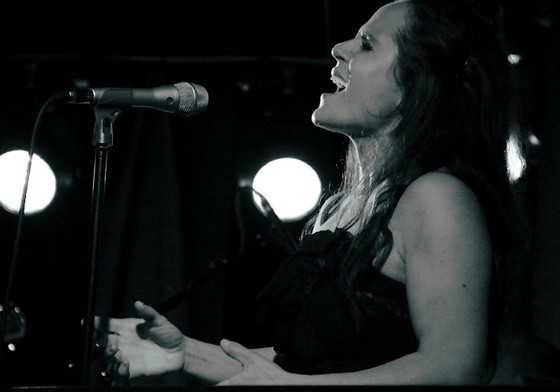
Break
Workshop - Body-based Relaxation Techniques for Singers
Body-based Relaxation Techniques for Singers
Asta Levy (Metropolia University of Applied Sciences, Helsinki – Finland)
In this workshop, we will learn effective body-based techniques for relaxation that positively influence the nervous system and the entire body. These methods can be used for managing tension and stress, warming up the voice, and regulating alertness—both for personal practice and in teaching situations.
Asta Levy, MMus, is a singer, vocal teacher, choir conductor, band leader and educator. She teaches voice, choral conducting, band performance and vocal pedagogy at Metropolia University of Applied Sciences in Helsinki, Finland.
Open Floor Session - Jazz Singing Repertoire for Young People (aged 13-19) and Different Approaches to Vocal Improvisation
Jazz Singing Repertoire for Young People (aged 13-19) and Different Approaches to Vocal Improvisation
Jenny Robson (Savonia University of Applied Sciences, Kuopio – Finland)
Jazz singing offers young people a unique opportunity to develop their musical expression, sense of rhythm, and creativity. This presentation will examine the LUMOKE development project and new repertoire for students aged 13–19, considering technical and aesthetic requirements as well as their own musical interests. It will also explore approaches to vocal improvisation, such as scat singing, and variations in melody and rhythm, as well as pedagogical methods for teaching improvisation in an inspiring and safe manner. The presentation aims to provide practical tips for teachers and instructors who wish to support the musical growth of young people through jazz. This presentation includes some exercise examples that we can sing together.
Music educator and jazz singer Jenny Robson is currently employed as a lecturer in music pedagogy at Savonia University of Applied Sciences. She has expanded her expertise through wide range of different studies including arts management and entrepreneurship, as well as basic studies in music therapy and experiential work. She has extensive experience working in various music institutions, including working as deputy principal at a music institute. In addition, she has produced four international jazz conferences and two jazz festivals. As an educator, Robson has taught at a variety of levels within the field of music education and has delivered lectures abroad, with a particular focus on the pedagogy of vocal jazz music. Her current own artistic work focuses on Brazilian-influenced jazz, and in 2026 she will release a new album featuring her own compositions.
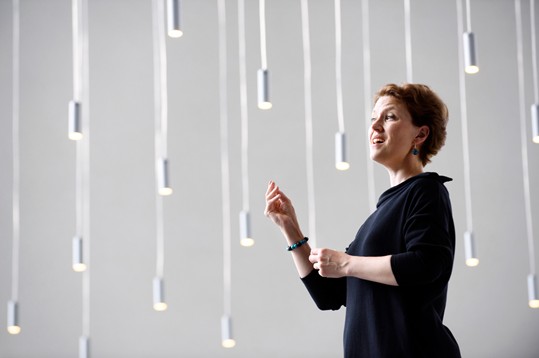
Open Floor Session - Pedagogy of Hope and Purpose – A Purpose-Centered Perspective to Music Education
Pedagogy of Hope and Purpose – A Purpose-Centered Perspective to Music Education –
Tanja Torvikoski (Oulu University of Applied Sciences, Oulu – Finland)
In an era of deepening uncertainty and confusion, music education becomes not only a cultural practice, but a pedagogy of hope and purpose.
We cannot educate for an unknown future, but we can support the education of the whole person—helping individuals grow into free and responsible human beings who can carve a meaningful life path through uncertainty, guided by conscience.
Tanja Torvikoski, M.A., EMT, Professor of Voice and Voice Pedagogy at Oulu University of Applied Sciences—School of Wellbeing and Culture and a trained Logotherapist. She can be contacted at Tanja.Torvikoski@oamk.fi