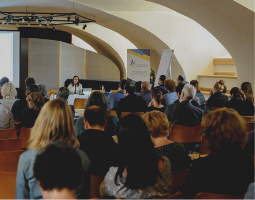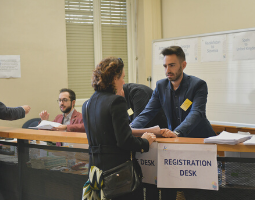
The 2026 edition of the European Platform for Artistic Research in Music (EPARM) took place from 9 to 11 April at the Norwegian Academy of Music in Oslo. It brought together artists, researchers and teachers from across Europe and beyond. This year’s theme, “Alone Together: Exploring Dimensions of Interdependence and Cooperation,” shaped a programme that looked closely at how artistic research is created, shared and supported through collaboration.
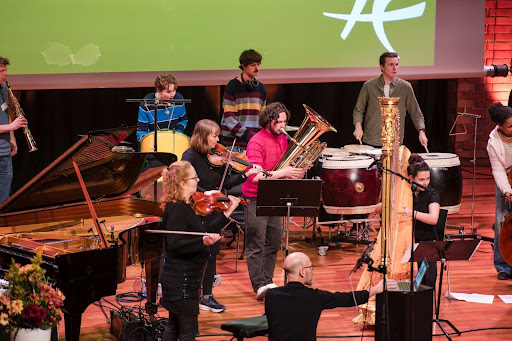
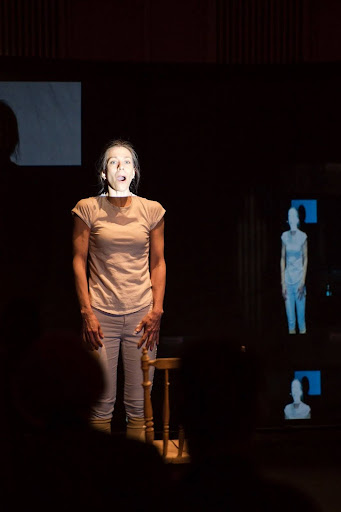
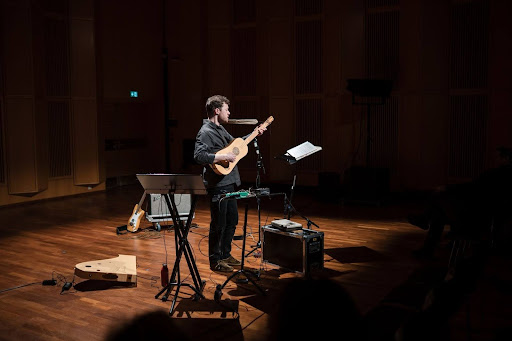
As in previous editions, EPARM combined presentations, performances, and discussions, while keeping artistic practice at the centre. Alongside papers, participants took part in lecture-performances, concerts and other formats. The Open Space session, the Concert-Walk and the poster exhibition by teachers from the METRIC network added further opportunities to share work and ideas. These different formats allowed participants to experience research not only through words, but also through sound and artistic action.
One of the key moments of the conference was the keynote by philosopher Sigurd Hverven, titled “Beyond Recognition: Acknowledging Nonhuman Nature.” In his talk, Hverven asked the audience to reconsider how we relate to the natural world. He suggested that “acknowledgement” might offer a more responsible approach than simply “recognition.” The keynote also included a live musical contribution by Anja Lauvdal, who responded to the ideas in real time through improvisation, adding an artistic dimension to the discussion.
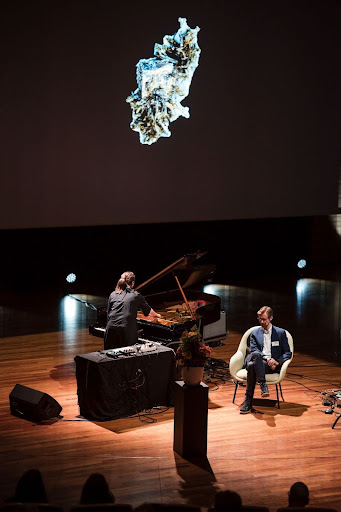
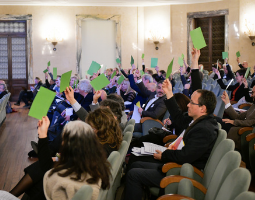
The round table, “Tipping Point: Accelerating collaboration in the expanding artistic research community,” brought together several experienced voices from the field. The panel focused in particular on the role of institutions, funding structures and international networks in shaping the field. They reflected on the rapid development of artistic research in recent years and discussed both opportunities and challenges. While collaboration can strengthen the field, it also raises questions about diversity and shared standards.
Across the programme, participants could attend sessions covering a wide range of topics. Some presentations explored the use of AI in composition and performance, tools that interact with live musicians or generate new material. Others looked at inclusion in music education, such as gender-aware teaching practices or work with underrepresented communities. Environmental themes also had a space in the programme, including presentations on soundscapes, listening to changing ecosystems, or sustainable approaches to performance. Several contributions combined music with other disciplines, such as dance, visual arts or technology, and many involved collaboration with communities outside academia.
Beyond the formal sessions, musical moments and informal gatherings played an important role. They gave participants time to exchange ideas, reflect and start new collaborations.
EPARM 2026 showed a field that continues to grow and adapt and it also confirmed the importance of working together, while still leaving space for different voices and approaches.