
International Relations Coordinators (IRCs) Working Group
Context
The International Relations Coordinators (IRCs) Working Group serves as a vital pillar for the AEC, as internationalization is one of the association’s core missions. The group is dedicated to supporting Higher Music Education Institutions (HMEIs) in finding their way in a globalised world, aiming to create an international network that benefits staff, students, and society.
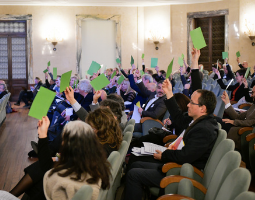
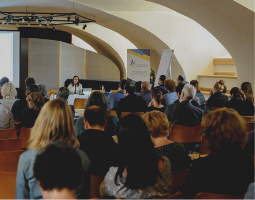
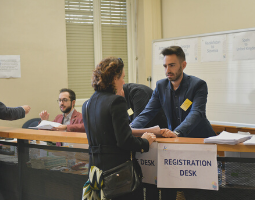
The group primarily exists to organise the Annual Meeting of the International Relations Coordinators of AEC member institutions, to collect issues, instances and wishes of the community, and to to put together specific guidelines, documents and services for IRCs. In the coming years the group will specifically address issues currently affecting the HMEI ecosystem, such as geopolitical uncertainty, sustainability, the impact of AI on international collaborations, the harmonisation of administrative practices in international offices of HMEIs and the continuing professional developments IRC in digitisation and project writing. By organizing events and capacity-building sessions, the group ensures that staff working in international offices—and by extension, students—are equipped with the skills needed for a rapidly changing professional world.
Work plan
Between 2025 and 2028, the working group aims to achieve several concrete milestones:
- Four AEC’s IRCs Annual Meetings and several additional training sessions specifically tailored for IRCs;
- Strengthening ties beyond Europe, specifically fostering sustainable cultural cooperation with partners in Africa, South America and other continents;
- Providing travel bursaries for members from European non-EU countries and organizing events involving these regions
- Publishing the IRC Manifesto 2025 and its possible revision in 2028, and implementing the AEC Global Strategy to provide a unified roadmap for internationalization.
Collaborations within the AEC ecosystem
The IRCs Working Group acts as a central hub for cross-disciplinary synergy within the AEC, collaborating with:
- Digitisation and Education & Profession WGs: To address the role of AI and other digital tools in mobility and how internationalisation impacts student employability;
- Music, Society & Sustainability WG and the Network of Green Officers: To explore sustainable cultural cooperation and the societal impact of international collaborations;
- Other Global Networks: Connecting AEC member institutions to broader international partner networks to facilitate projects on a global scale.
- EPASA: to make sure students make their voice heard when speaking about their future
- Advocacy Task Force: To contribute and inform AEC advocacy’s actions
- EASY Task Force: To support the day to day running of international offices and to support the sector to align with the Erasmus Without Paper requirements.
Members of the Working Group:

Dimitrios Marinos
Athens Conservatory, Athens, Greece (WG Chair)

Iveri Kekenadze Gustaffson
Lund University, Lund, Sweden

Riccardo Mascia
Conservatorio di Musica Arrigo Boito, Parma, Italy
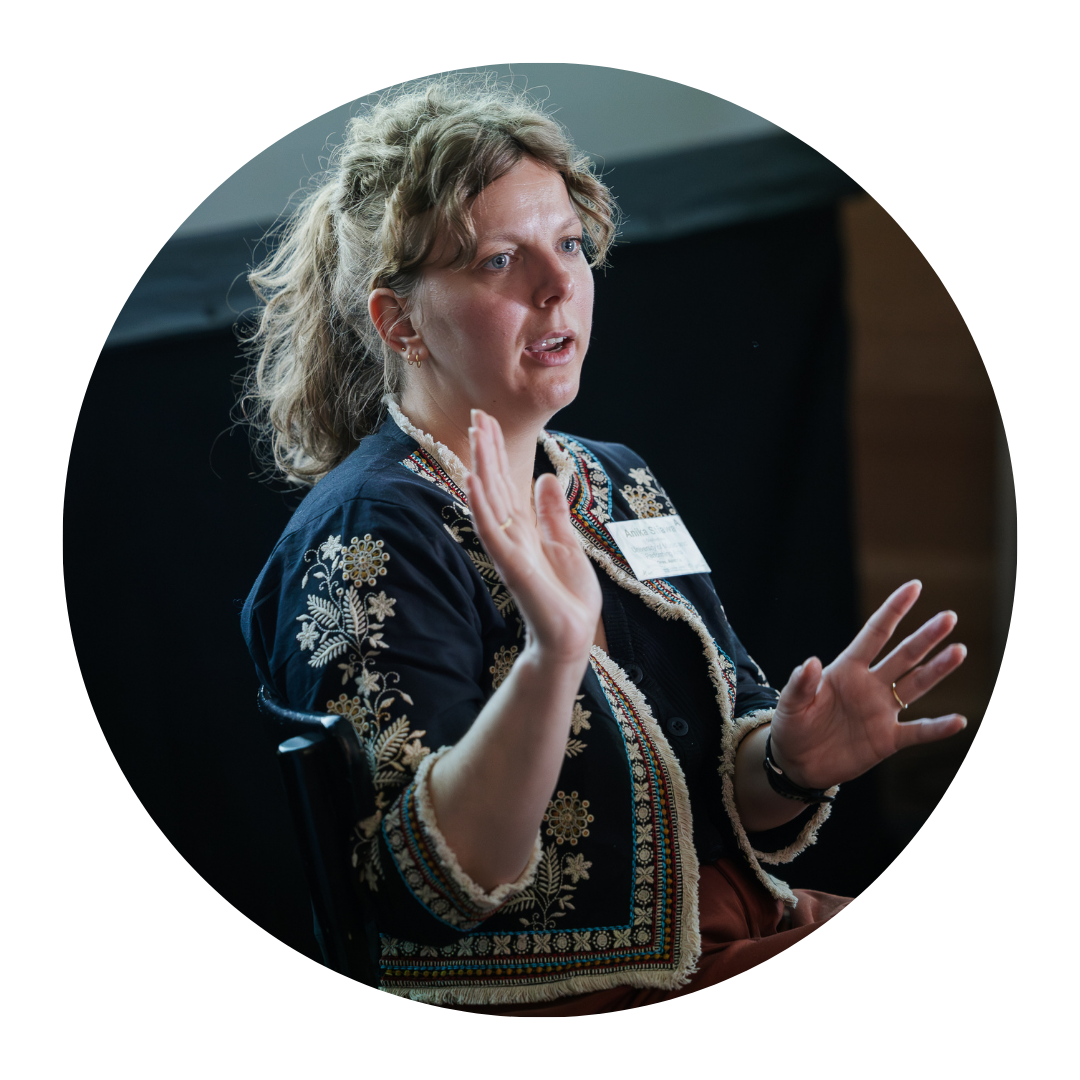
Anika Stiawa
University of Music and Performing Arts Graz, Graz, Austria

Veronika Kuželová
Academy of Performing Arts in Prague AMU, Prague, Czech Republic

Linn Eriksen
University of Agder, Kristiansand, Norway

Sarah Low
Royal Irish Academy of Music, Dublin, Ireland
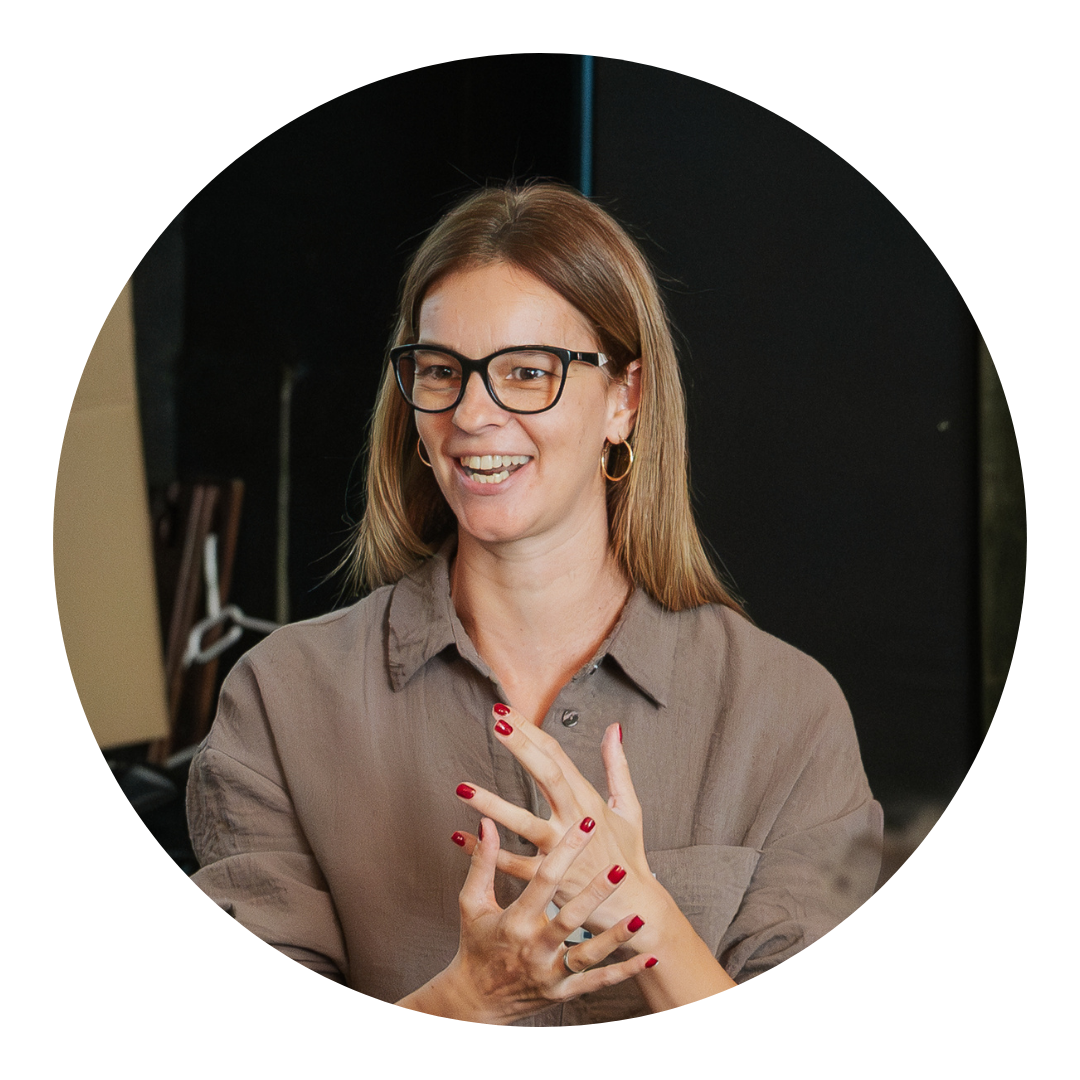
Ivana Mijanović
Fakultet Muzicke Umetnosti Beograd, Belgrade, Serbia

Junta Arakawa
College of Music, Mahidol University, Salaya, Thailand

Sara Primiterra
AEC Office (WG Coordinator)